



AIF at SAC: Learning through Passion and Purpose
AIF at SAC: Learning through Passion and Purpose
What happens when students are given the freedom to explore something that truly matters to them? At St Aloysius College, the answer can be found in the inspiring and personal projects being prepared in SACE subject, Activating Identities and Futures (AIF). Through AIF, Year 11 students are empowered to pursue meaningful learning goals connected to their interests and future aspirations, nurturing their independence and critical thinking, confidence, and real-world skills.
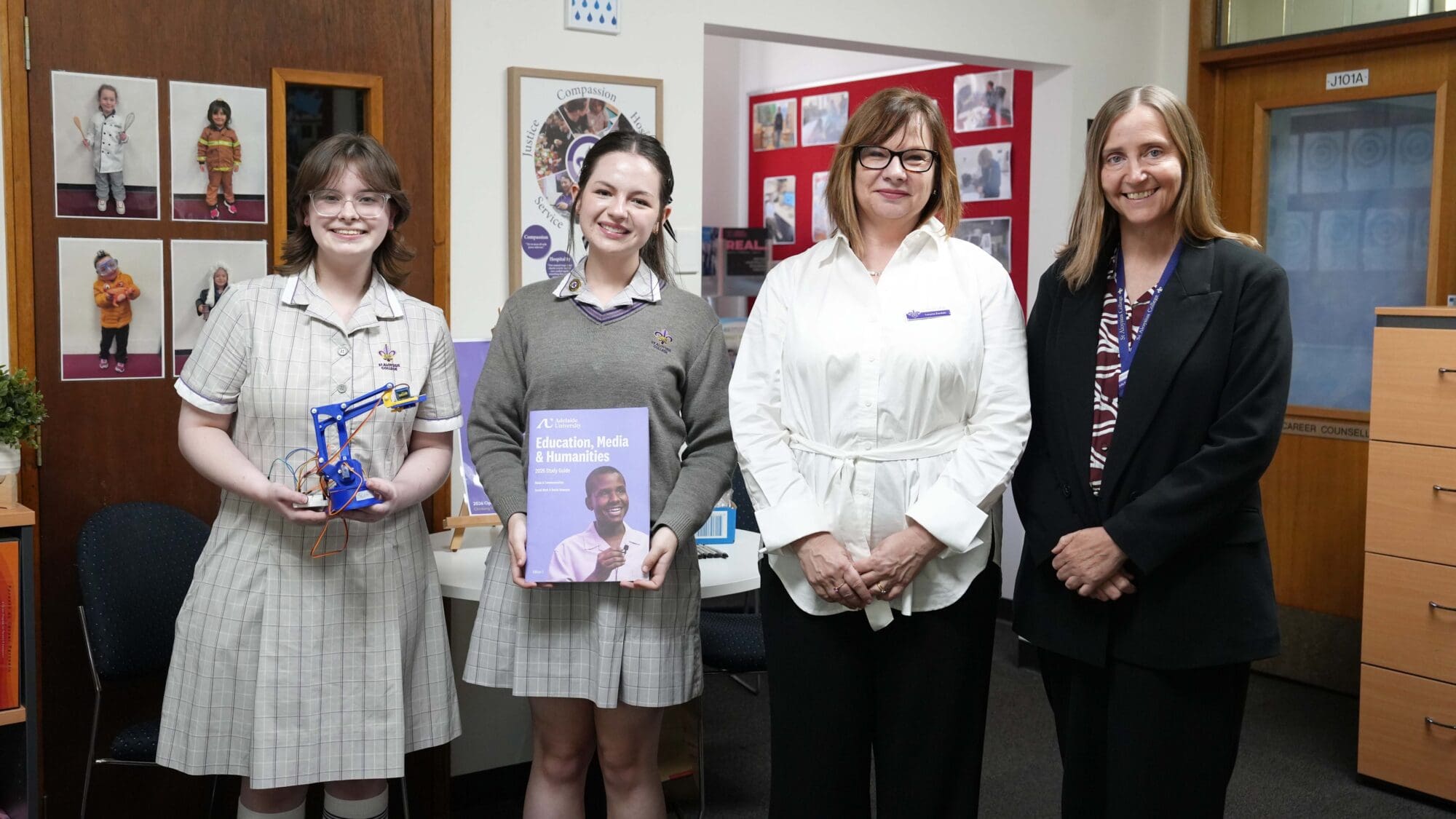
AIF students were excited to share their knowledge so far during Open Night 2026, alongside teachers Ms Lucyna and Ms Stephenson in the Careers Centre
AIF Coordinator, Ms Lucyna Zwolski, explains that, “Activating Identities and Futures (AIF) is a compulsory Stage 2 SACE subject that all students must complete to achieve the SACE. At SAC, students undertake AIF in Year 11.”
“The subject focuses on independent learning, with students identifying a Learning Goal that holds personal meaning,” she says. “They then apply a range of strategies, while seeking feedback and diverse perspectives, to support and extend their learning journey.”
This year’s Learning Goals reflect the extraordinary breadth of student interests and ambitions. Topics range from self-defense for women, sustainable garden design and vocal health, to robotics, marine ecology, cultural cooking, interior design and sport performance.
For student Lily, AIF became an opportunity to combine creativity and problem-solving skills with her passion for engineering.
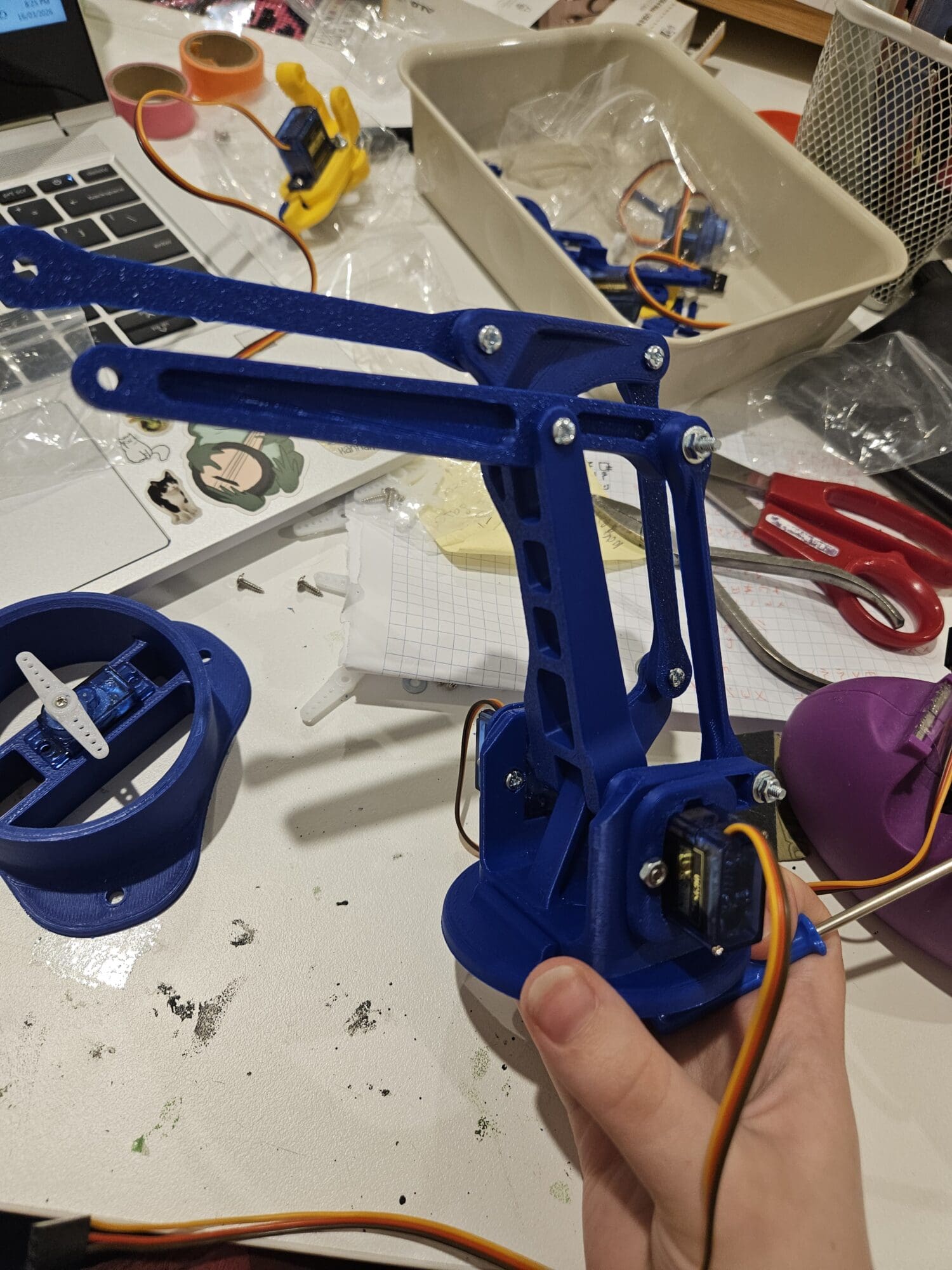
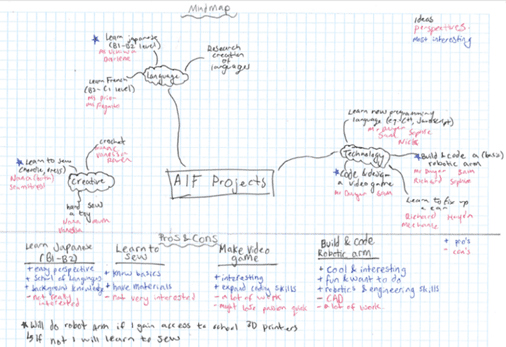
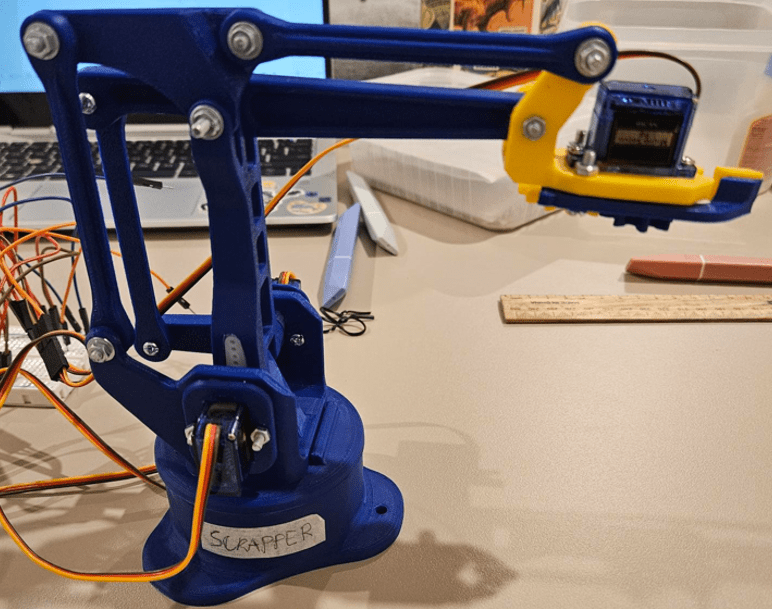
A hands-on build driven by Lily’s interest in robotics and future goals in mechanical engineering
“My Learning Goal is to build and code a robotic arm to pick up an object,” Lily explains. “I chose this goal because I enjoy hands-on work and am very interested in robotics.”
With aspirations to study mechanical engineering at university, Lily saw the project as both a challenge and a stepping stone towards her future career. Along the way, she discovered the importance of breaking complex problems into manageable steps, creating timelines, and adapting her learning strategies to suit the way she learns best.
“Throughout this subject I have learnt that I learn better with someone explaining things to me, in person or in a video, rather than just reading a recount or website,” she says.
Lily also emphasised the value of collaboration and feedback throughout her learning process. Teachers, peers and experts helped her troubleshoot coding challenges, refine her design ideas and stay motivated when obstacles arose. Her final output will feature a video demonstration of the robotic arm successfully moving an object, alongside annotated evidence of her coding and mathematical learning.
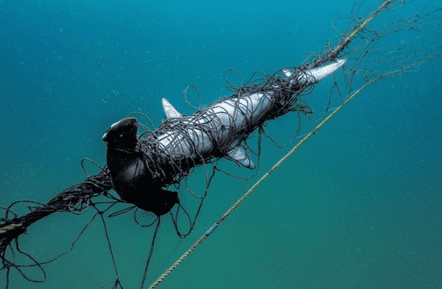
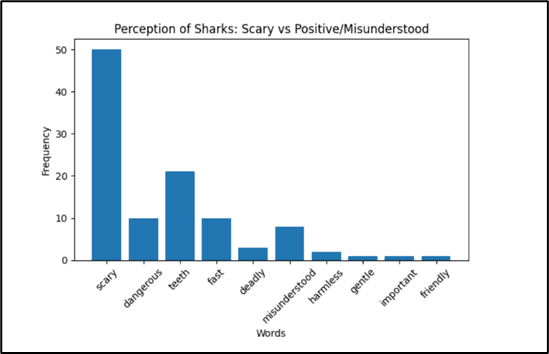
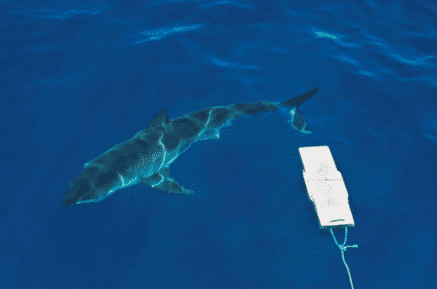
Likewise, AIF has offered Myf the chance to explore her interests in communication technologies, marine ecology and environmental education. Her Learning Goal investigates how misconceptions about sharks impact marine ecosystems, and how scientific knowledge and technology can support safer human-shark relationships.
“I chose this goal because it aligns with my career aspirations of marine ecology and enables me to delve deeper into this interest,” Myf explains. “It is also a very relevant topic to society today as sharks are a somewhat regular topic reported on by the media.”
Throughout her project, Myf has interviewed leading shark scientists, including Dr Michael Drew, Dr Charlie Huveneers and Dr Brianna Le Busque, while also surveying members of the wider community to better understand public perceptions surrounding sharks.
“One of the steps I am most proud of is my interview with marine Ecologist and leader of the Southern Shark Ecology Group (SSEG), Dr Charlie Huveneers,” Myf says. “I am so grateful to have had this opportunity, because he is a well-known expert in his field.”
Drawing on her previous experience with Arch D Radio and Podcasting at SAC, Myf plans to transform her research into a podcast episode using the College’s podcasting facilities. Her final output will combine expert interviews, research findings and storytelling to educate listeners about sharks and marine conservation.
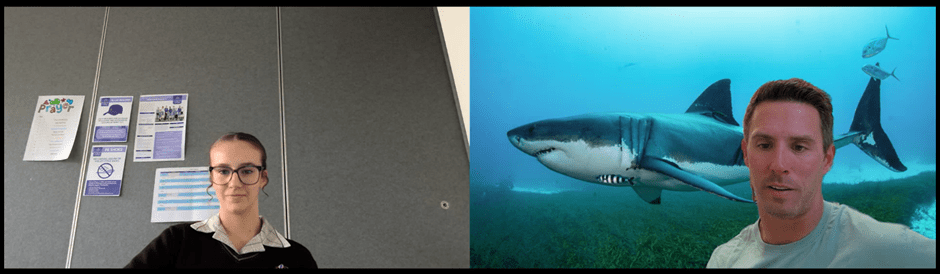
Myf exploring the intersection of communication technologies, marine ecology and environmental education through her AIF project

Meanwhile, Aurelia has used AIF as an opportunity to explore social impact through an interior design project connected to her Sri Lankan heritage. Her Learning Goal focuses on redesigning a rural classroom in her hometown of Mediwake, Sri Lanka, by blending modern educational design with traditional Sri Lankan aesthetics.
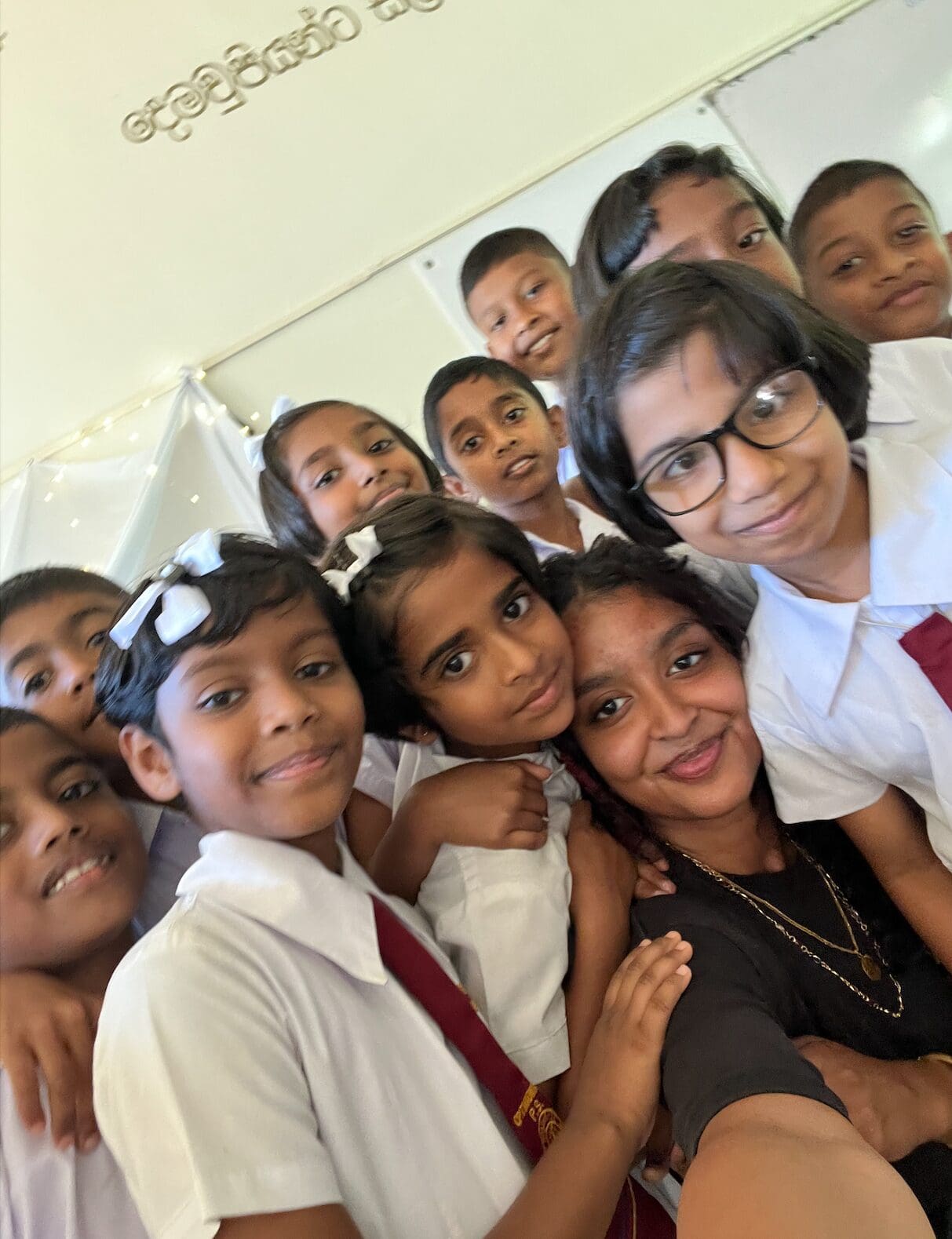
Aurelia working with students as part of her AIF project, focused on redesigning a rural classroom in Mediwake, Sri Lanka
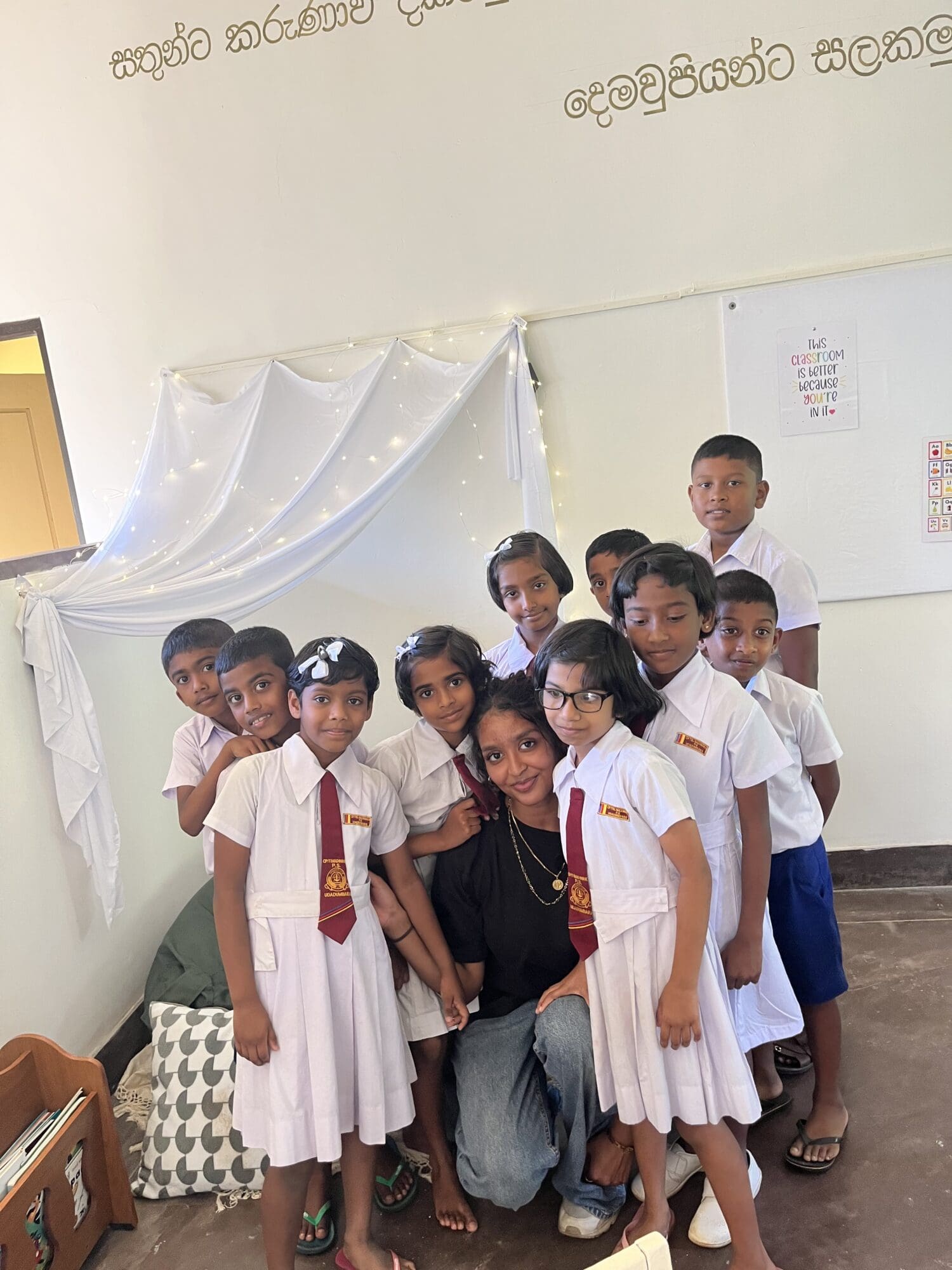
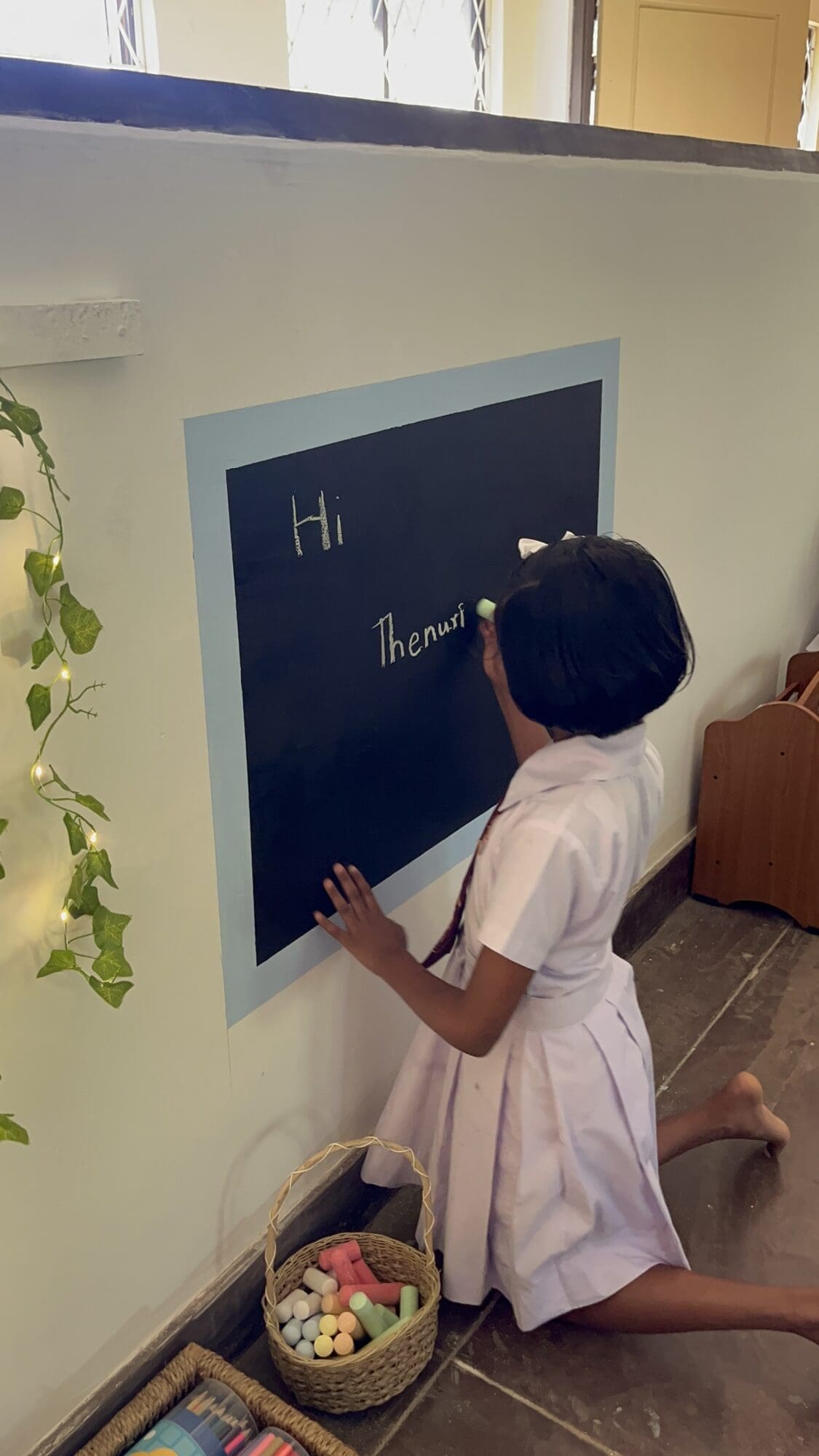
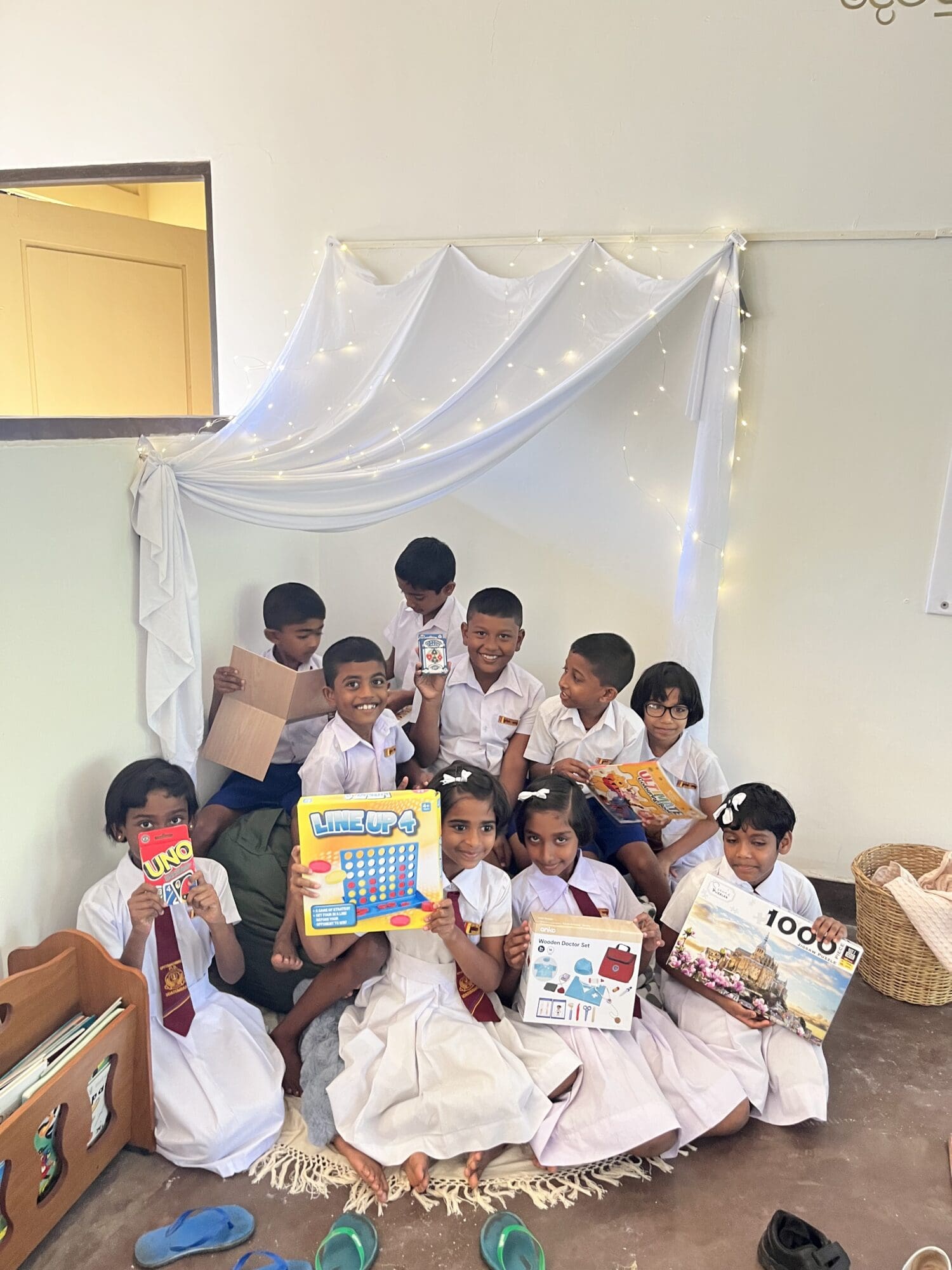
“I chose this Learning Goal because I wanted to use creative skills to make a real-life difference for children in the school of my hometown,” Aurelia explains.
Her project involved researching classroom design, colour palettes, batik art and culturally responsive learning environments, while also consulting with community members and interior design professionals.
“Along the way, I discovered the importance of designing for the users, balancing creativity with practicality, and how different perspectives can strengthen a final design,” Aurelia explains.
Aurelia’s final output will showcase before-and-after redesign concepts demonstrating how thoughtful design can create more functional, welcoming and inspiring spaces for learning.
Another student, Raven, has embraced AIF as a way to combine entrepreneurship and community impact through a handmade craft market stall. Her Learning Goal focused on gaining skills in designing, planning, pricing, marketing, production and communication.
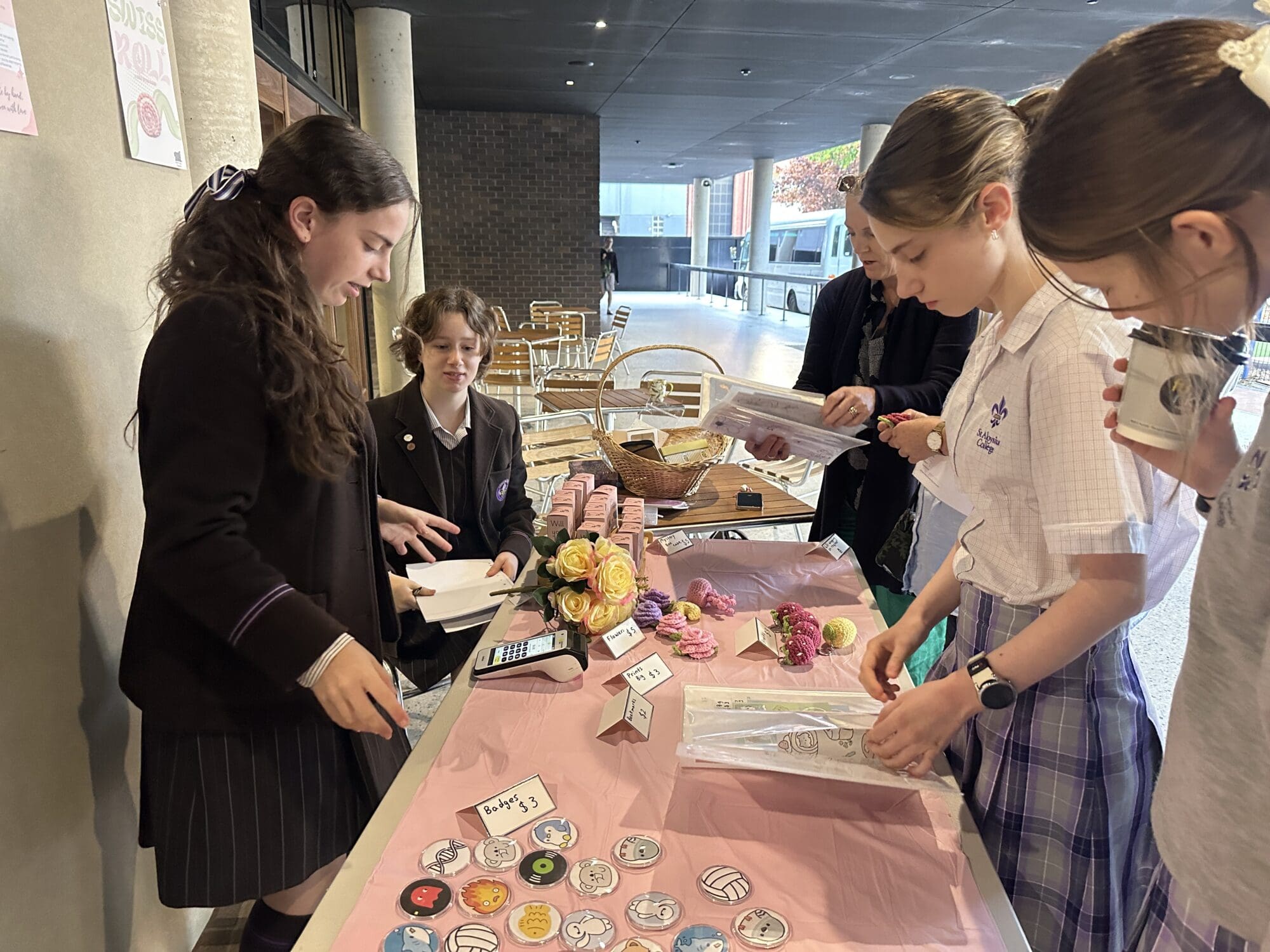
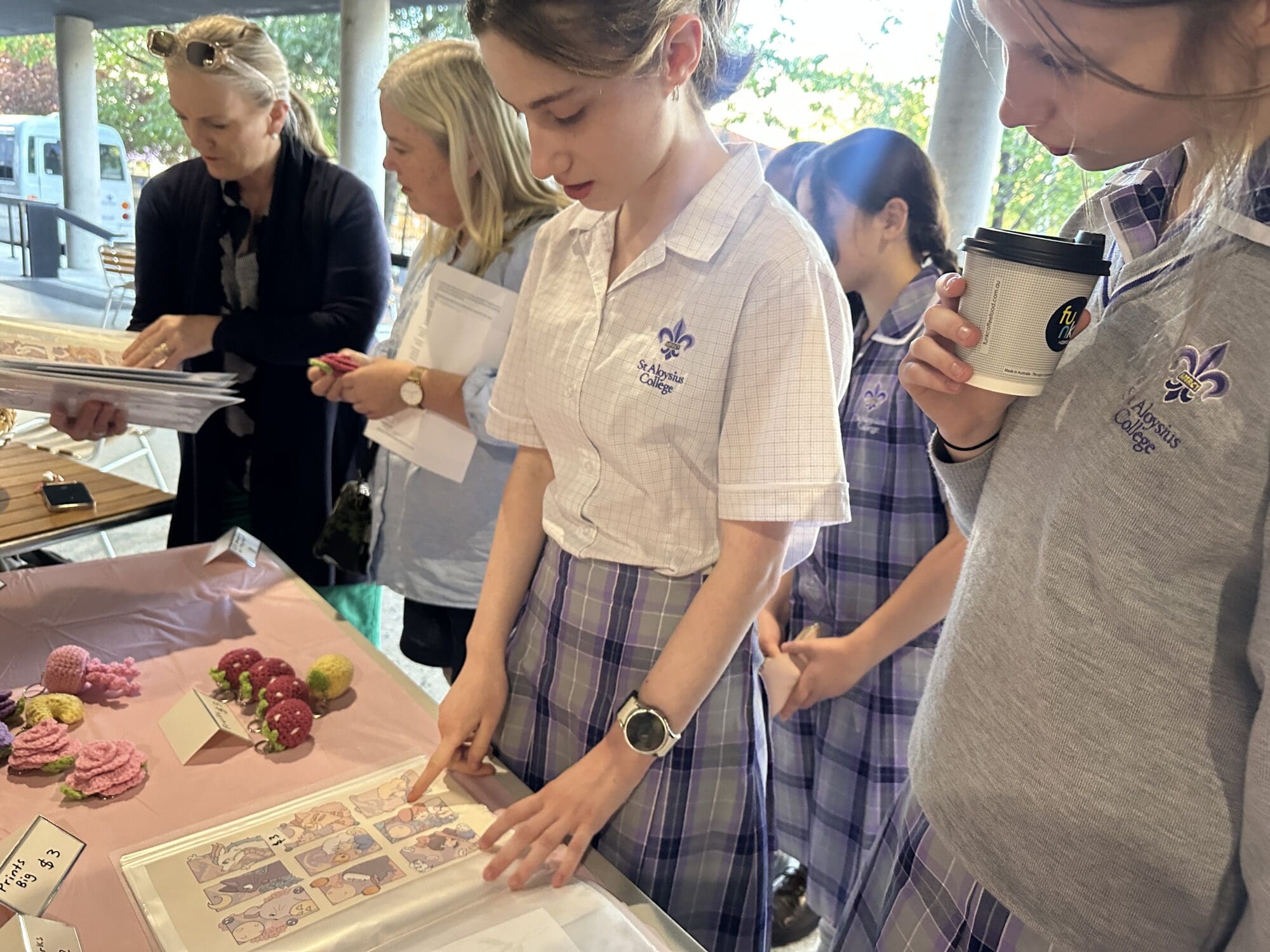
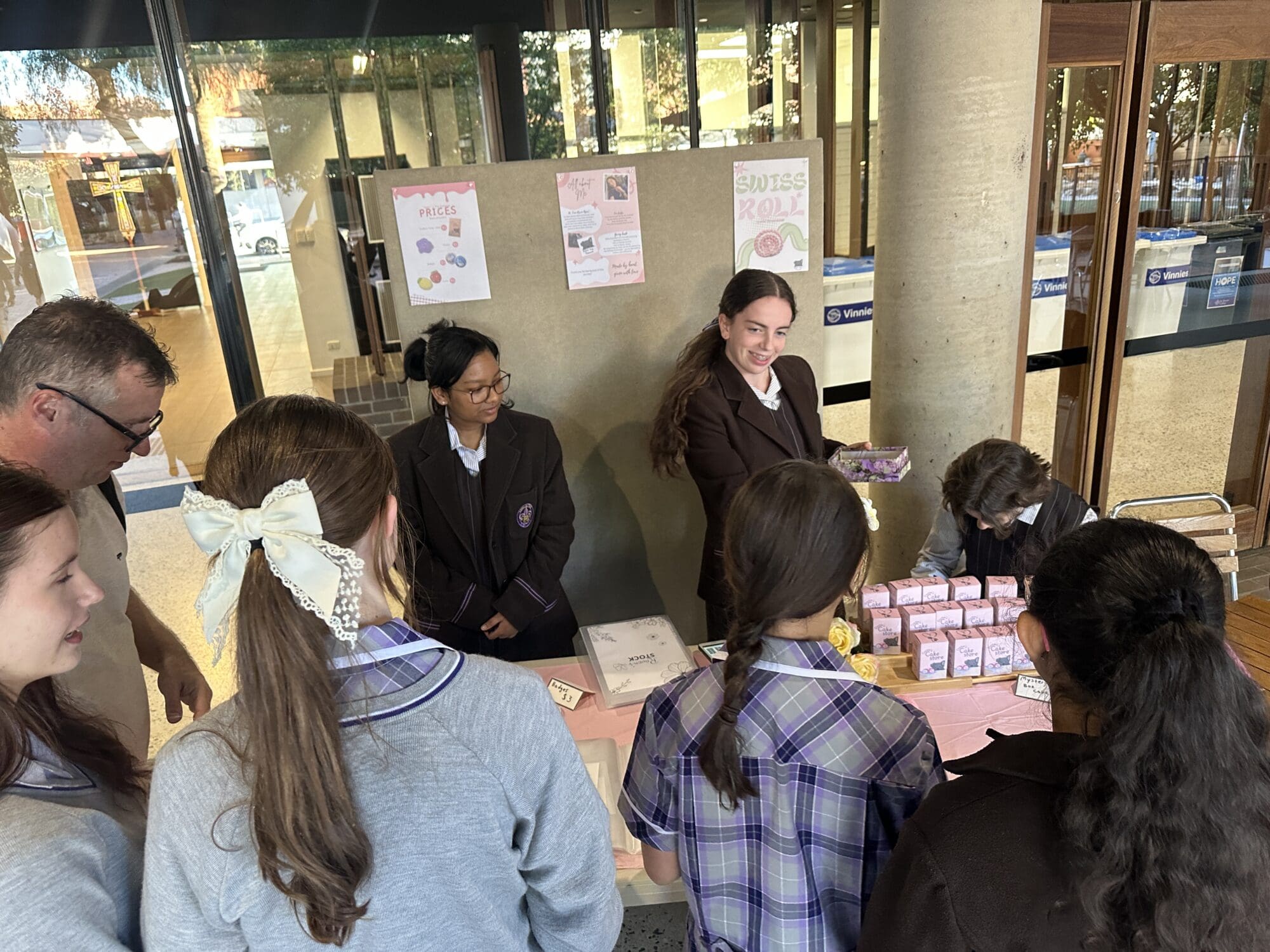
Raven bringing creativity and purpose together through her AIF project
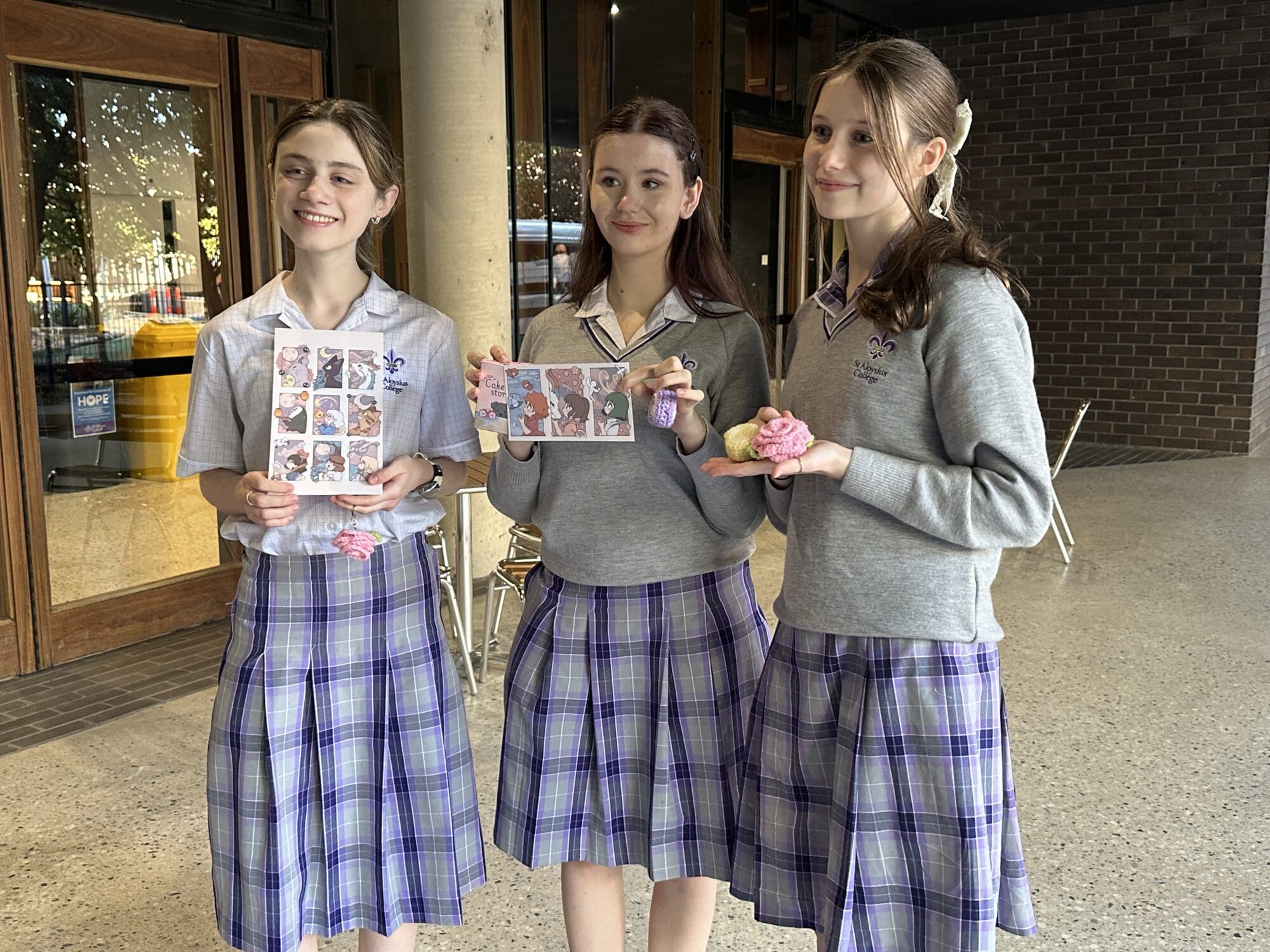
“I was inspired by my love for crafts and friends of mine who also sell handmade products,” Raven explains.
To support her learning, Raven sought feedback from the school community through surveys and interviewed people working in related industries to gain valuable perspectives and advice. Raven also implemented detailed planning strategies to help manage her time and priorities effectively.
“To make my goal obtainable I made a detailed time management plan as well as creating to do lists and keeping track of what had been done and what was high priority,” she says.
Raven’s final output was the market stall itself, at school during Week 1, which involved creating handmade products, advertising the stall and researching the interests of the school community. The project developed her practical business and communication skills, while allowing her to give back to causes close to her heart.
“The stall was very successful with all profits going towards charity,” Raven says. “Overall, around $130 was split between Mercy Works and the Cancer Council.”
Across each project, AIF is enabling students to move beyond traditional classroom learning and engage with real-world questions, challenges, solutions and aspirations. Whether designing robotic technology, exploring marine conservation, transforming educational spaces across the globe, or launching charitable creative ventures, SAC students are developing the confidence, curiosity and critical thinking needed to inspire bright futures.
Ms Maddie Kelly
Communications Officer