


New Dunlevie Building opens new doors for St Aloysius College
More than a century ago, Sister Teresa Dunlevie, was introducing new approaches to teaching and learning at St Aloysius College.
As Principal from 1918 to 1944, she believed education should give children the opportunity to develop their individual talents. She helped establish one of South Australia’s first Montessori kindergartens, introduced new subjects and encouraged teachers to bring their own ideas and skills to their work.
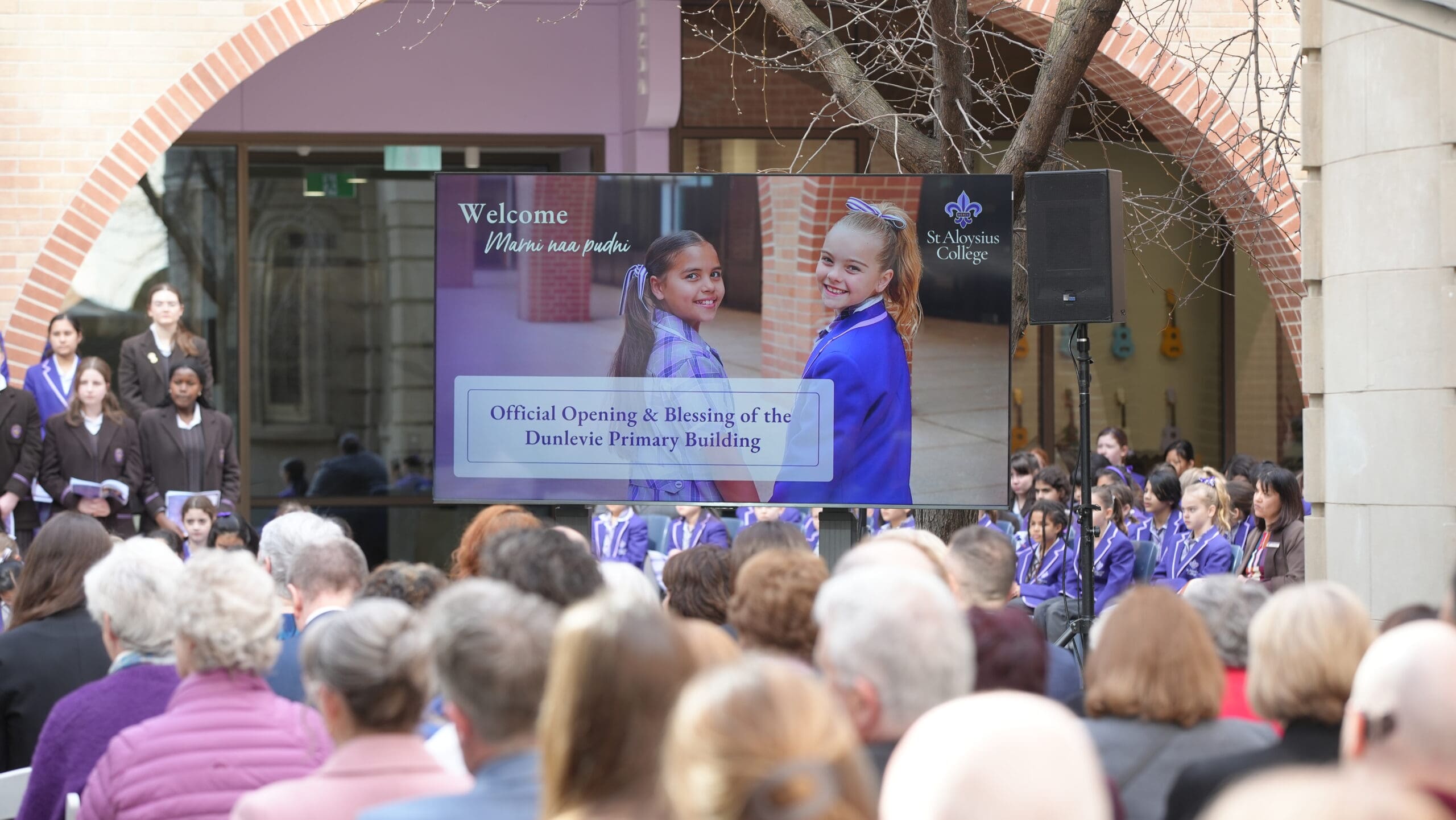
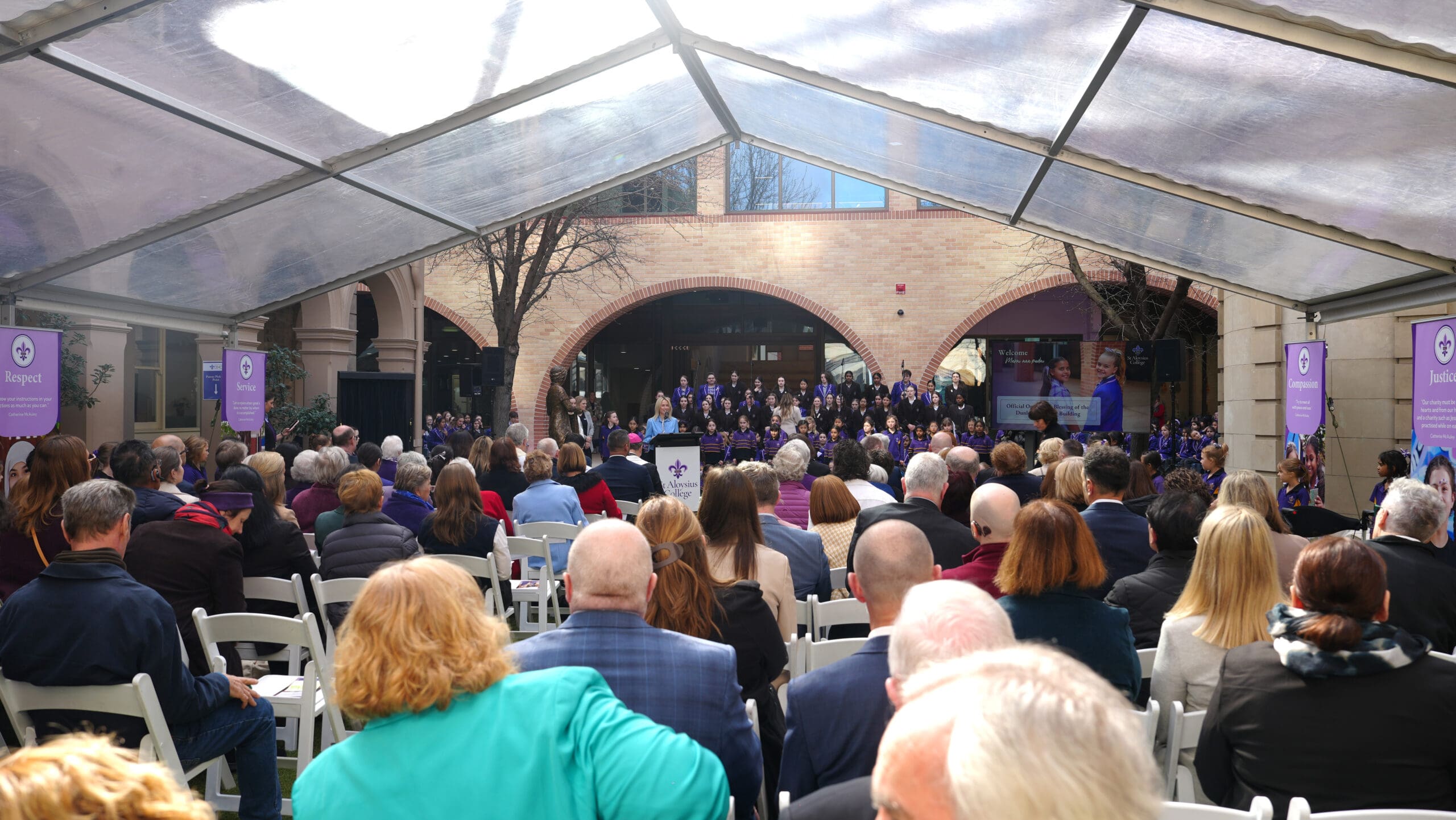
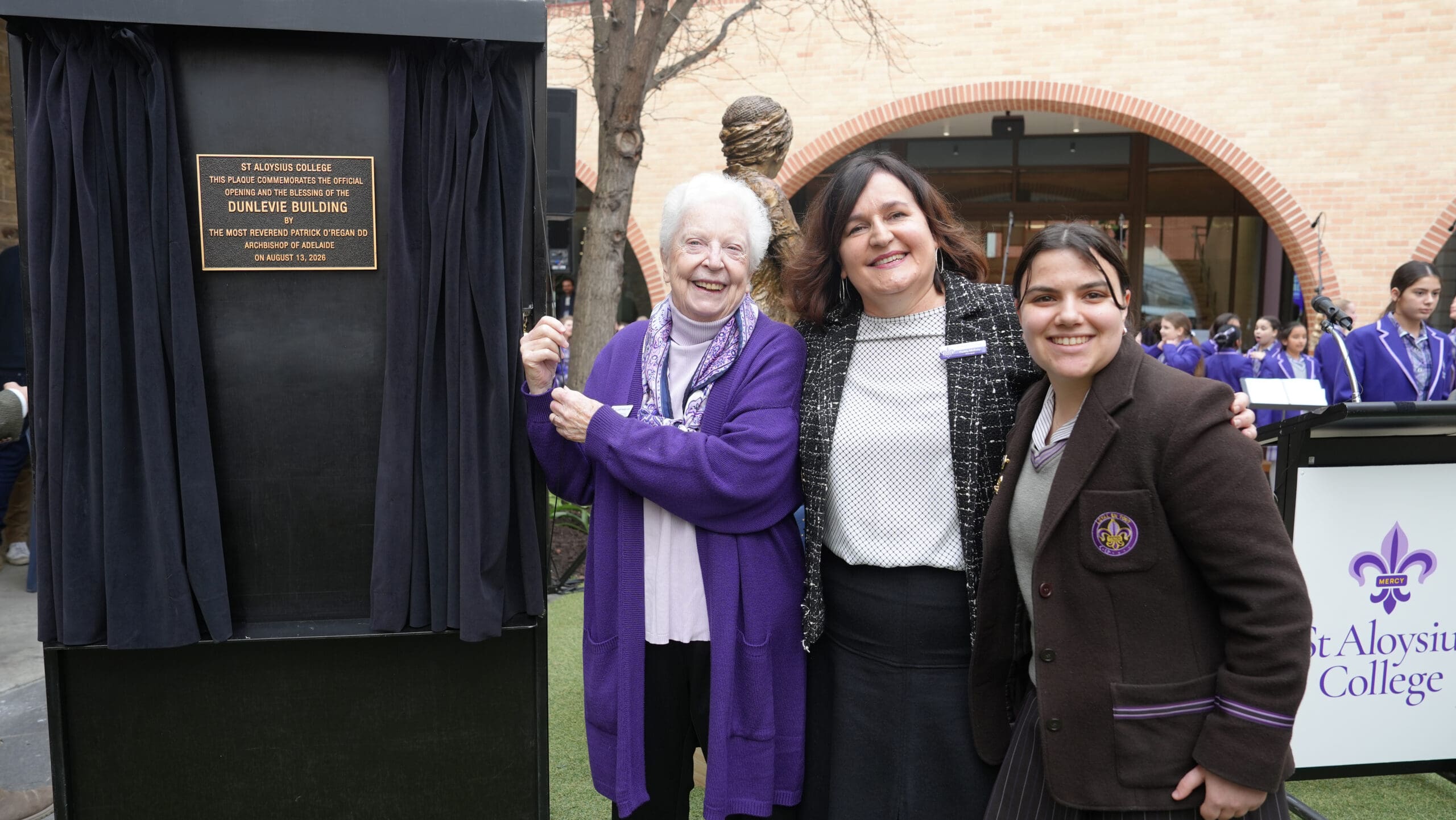
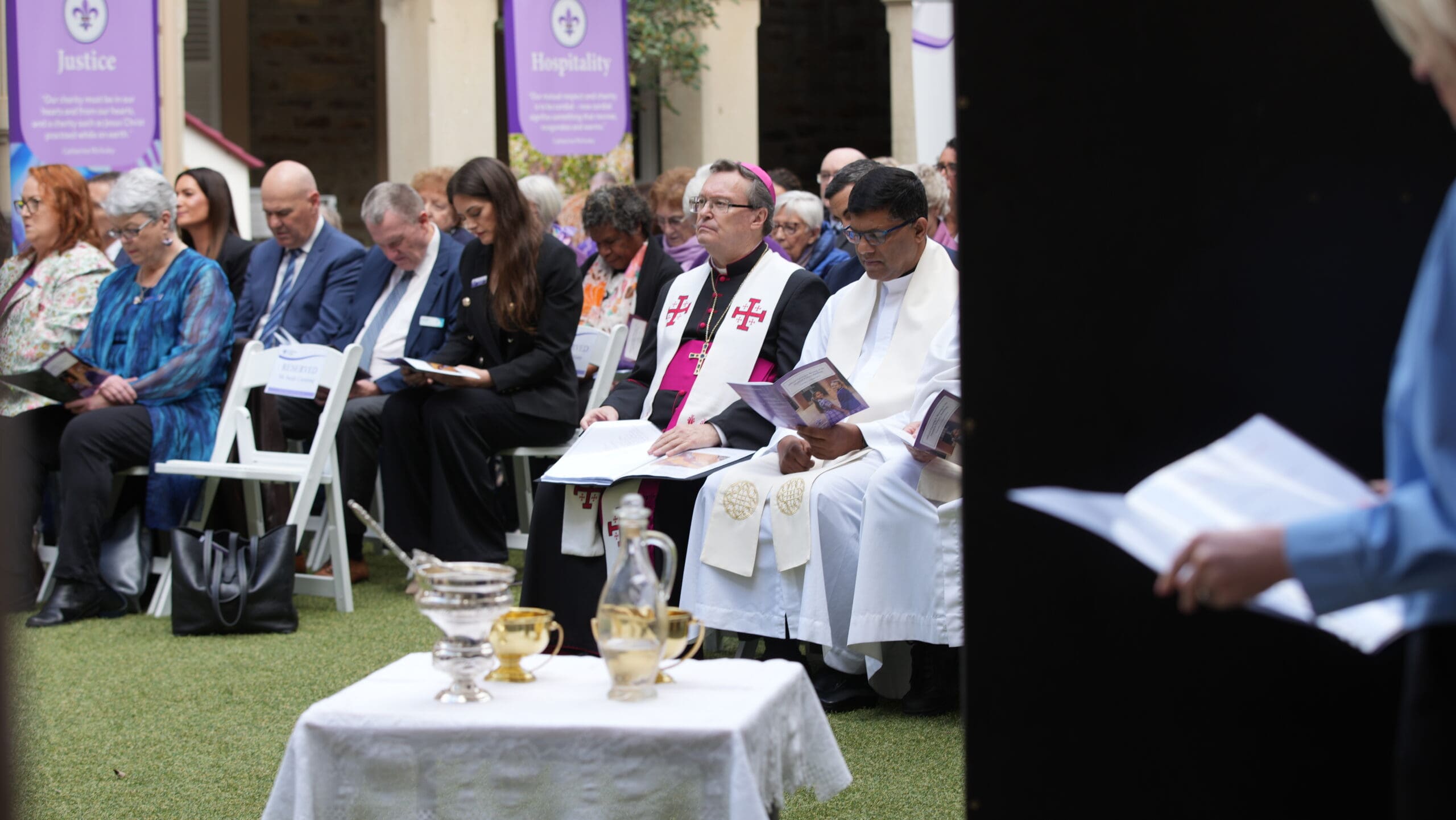
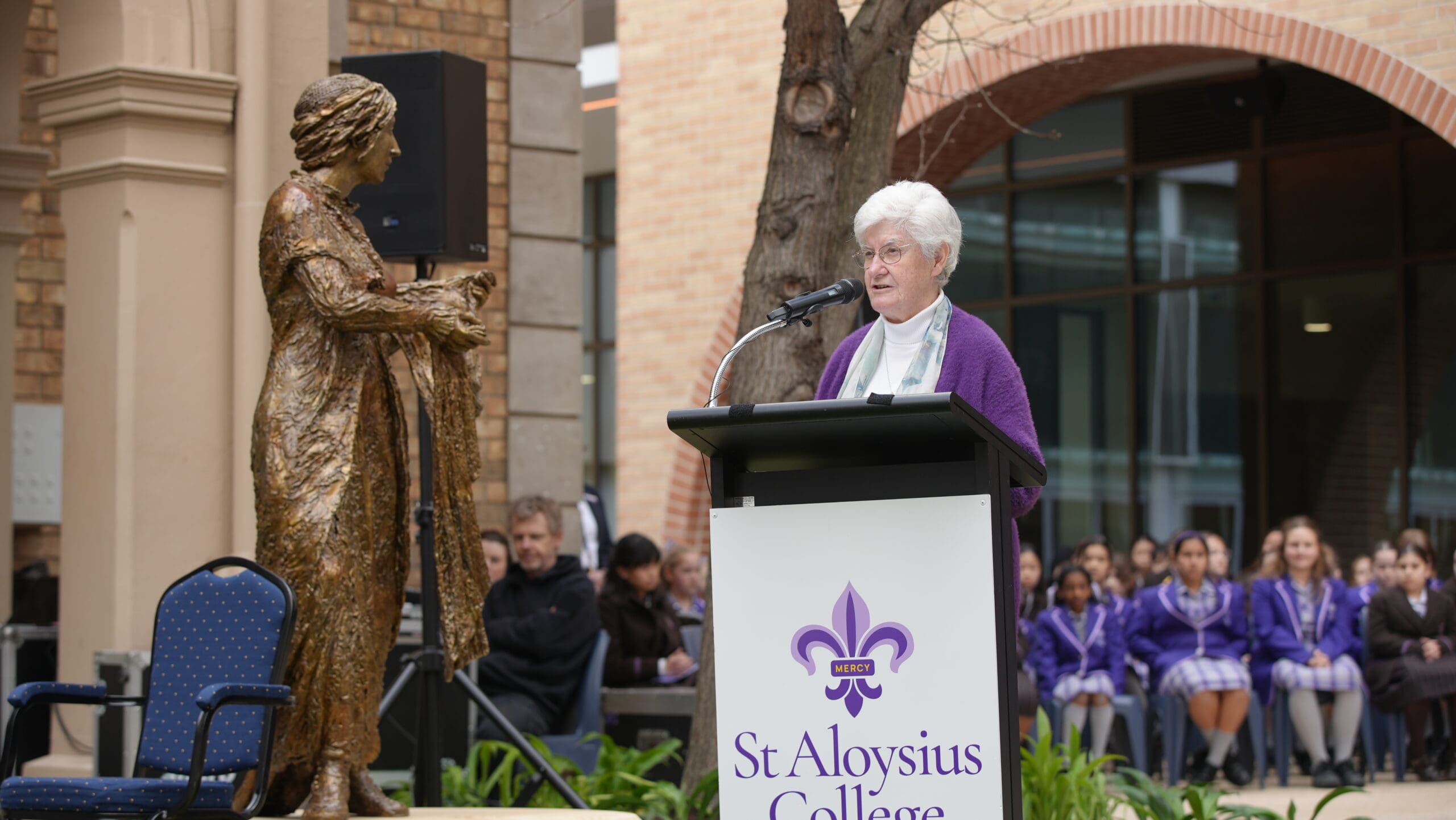
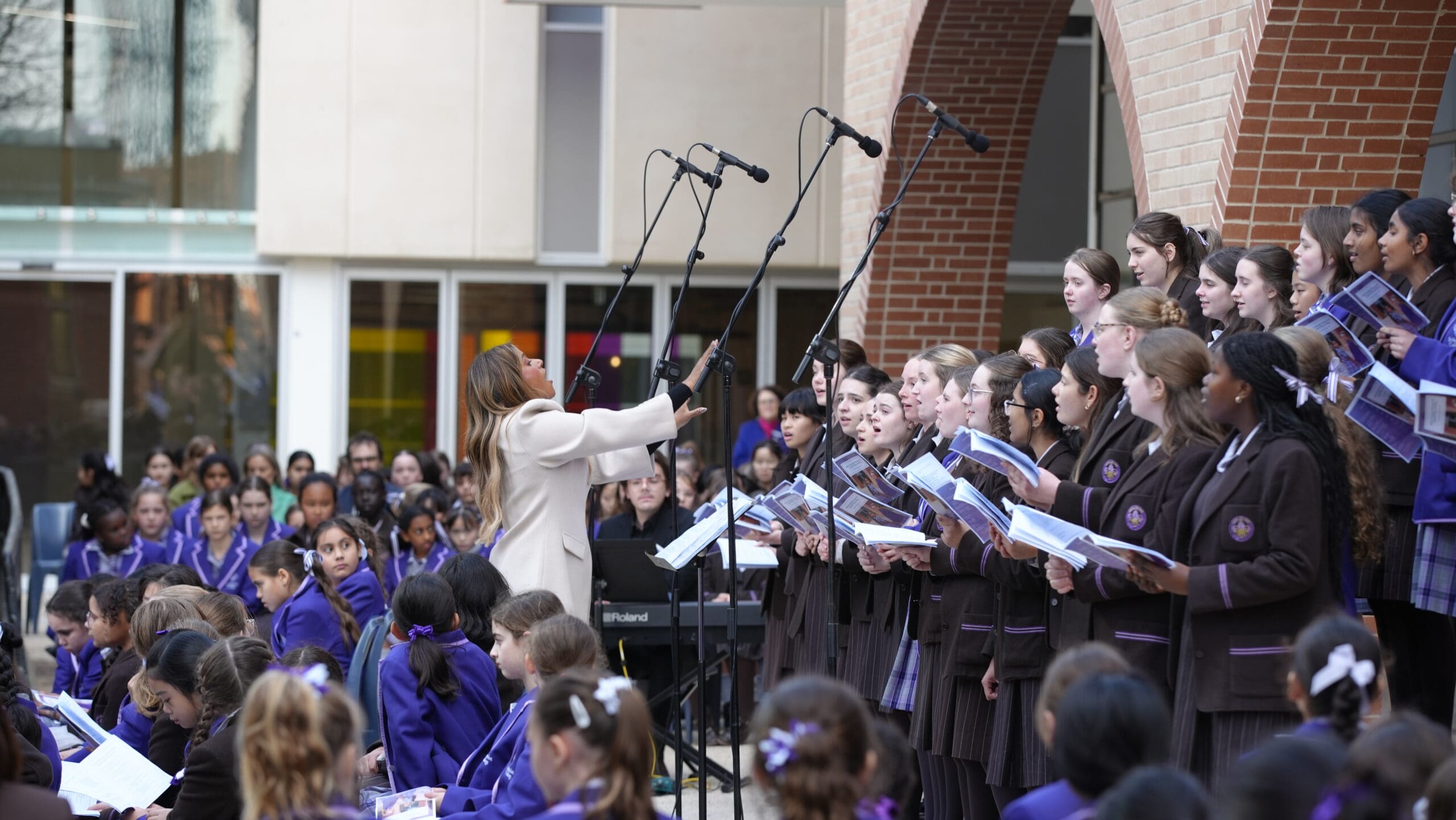
On Thursday 13 August, the College community gathered to officially open a new primary building bearing her name.
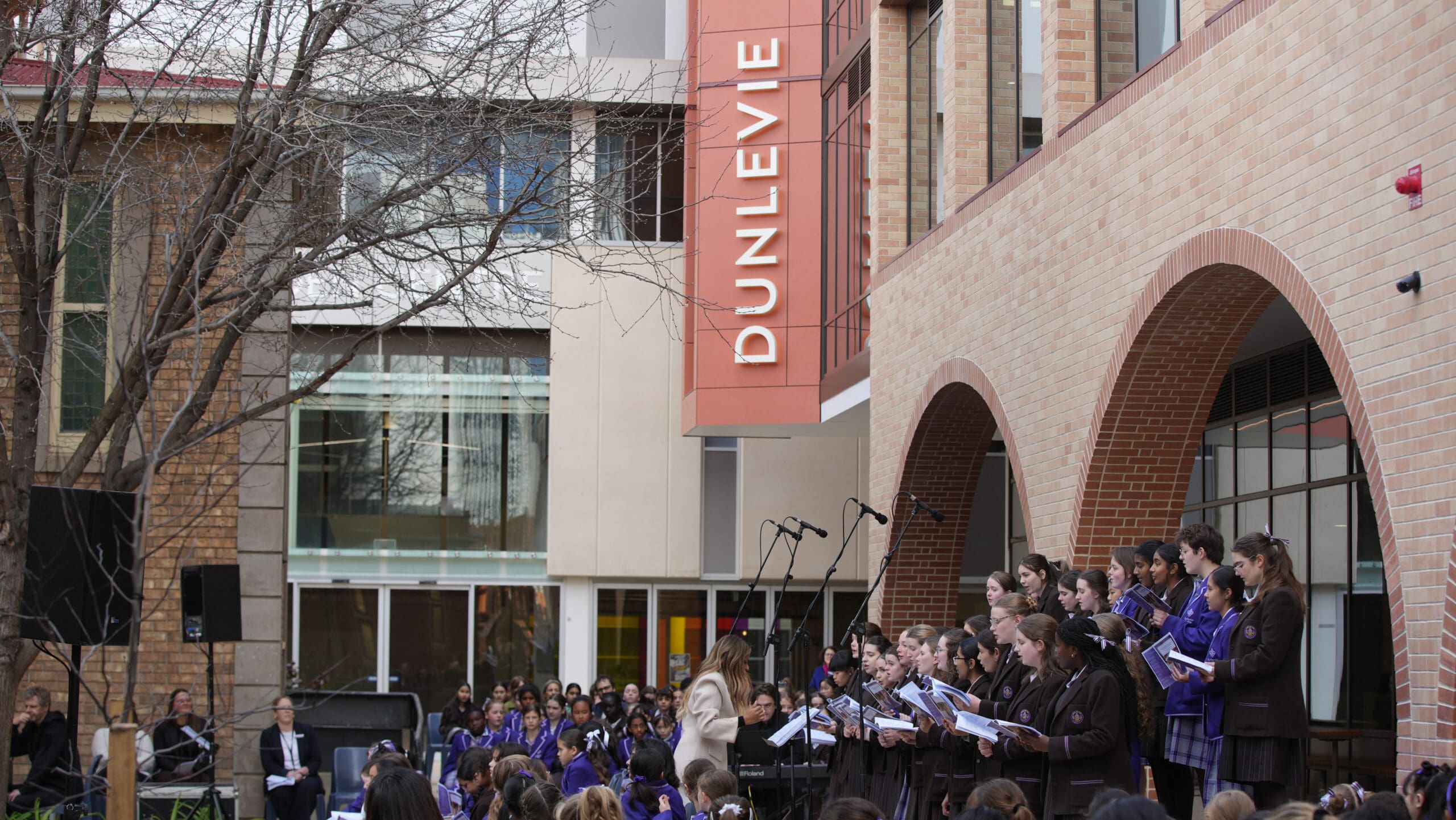
The Dunlevie Building is now home to St Aloysius College’s primary students, who moved into their new learning spaces at the beginning of Term 3.
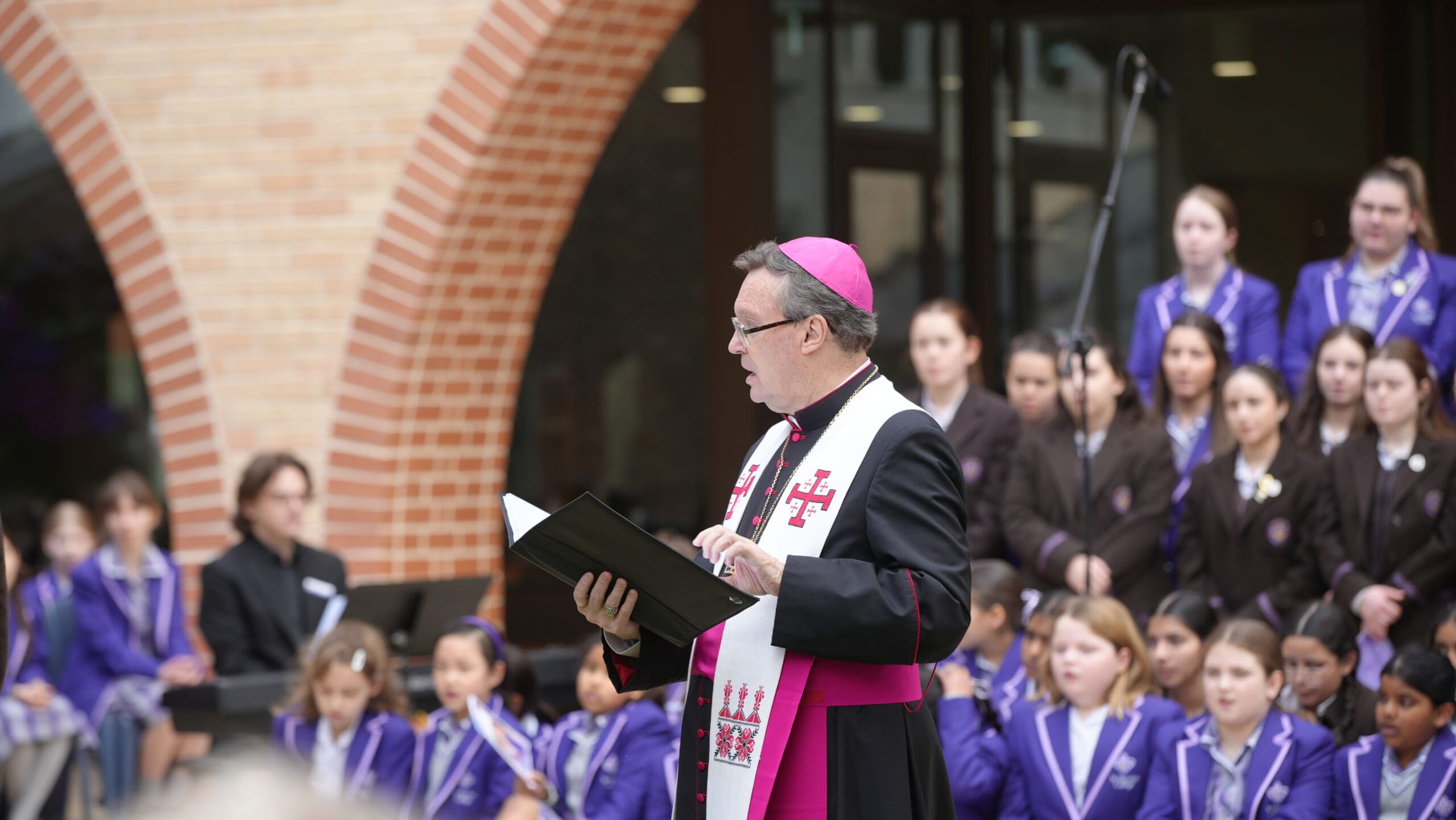
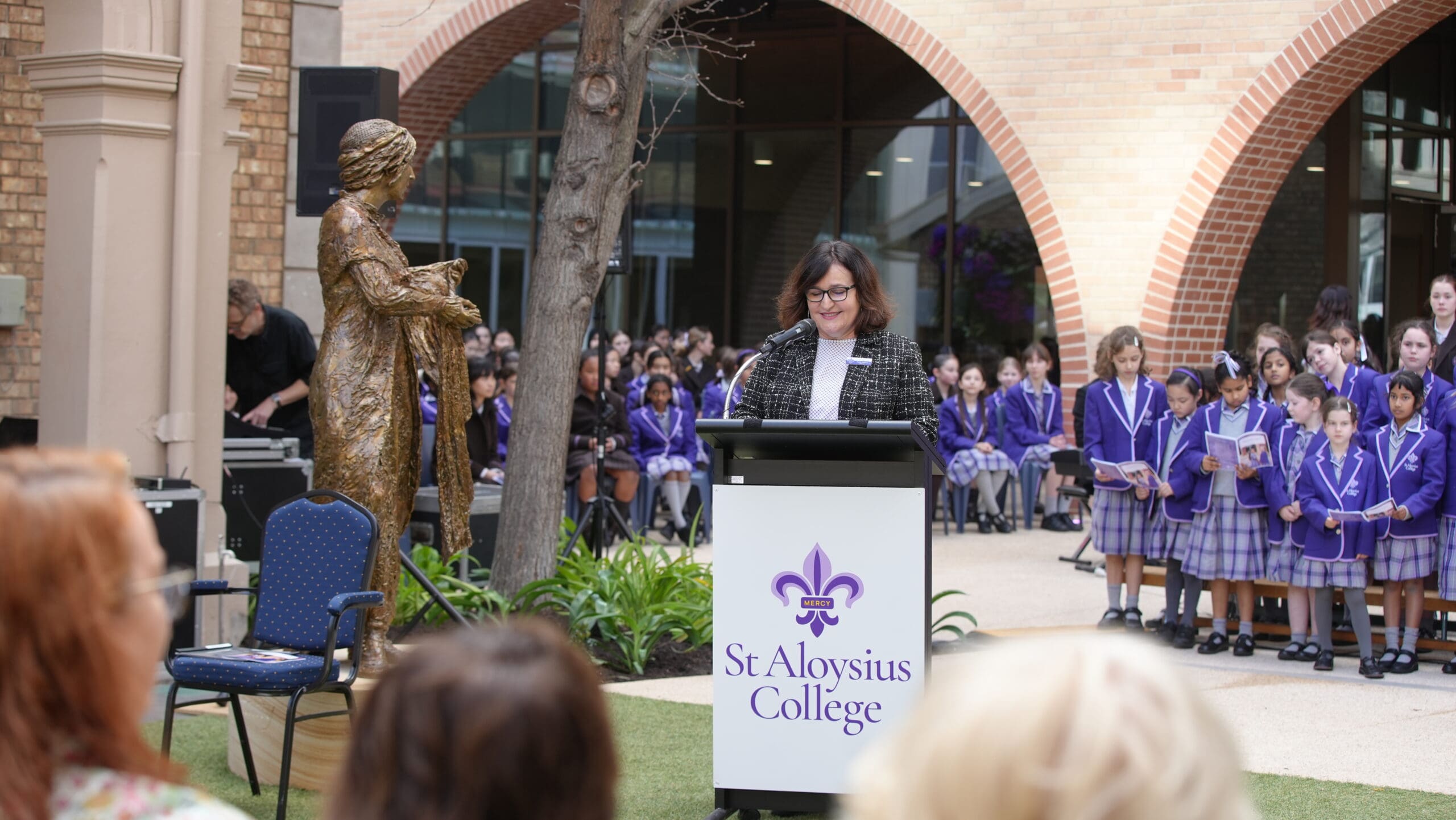
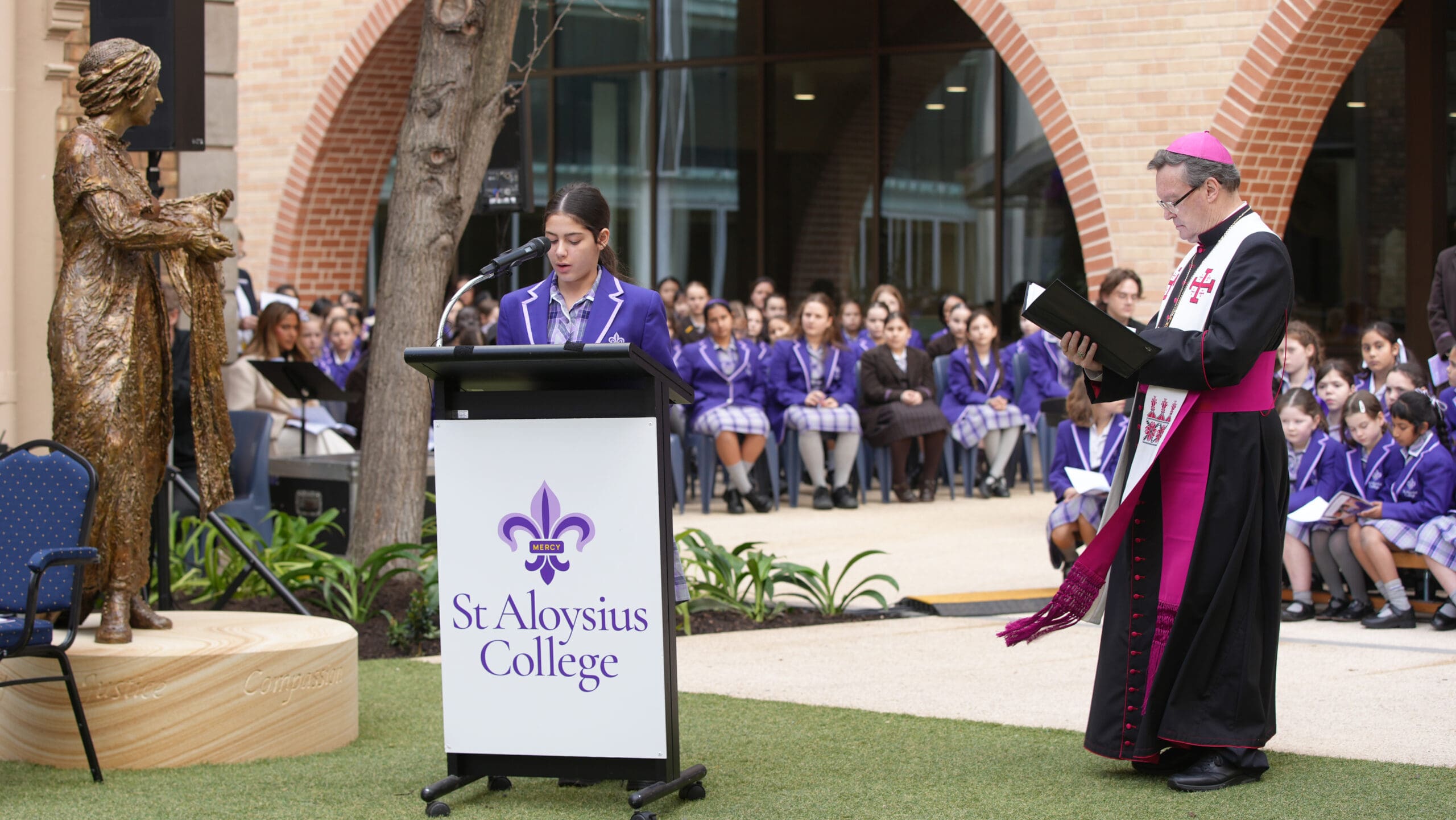
The building was officially opened and blessed by Archbishop Patrick O’Regan, with Sisters of Mercy joining leaders from Mercy Education, Catholic Education and the wider College community for the occasion.
As guests gathered in the Dunlevie Courtyard, the connection between the College’s past and present was visible above them. Reflected in the expansive windows of the new Dunlevie Building was the spire of the historic Convent on Angas Street, more than a century old. Among the audience looking towards that view were Sisters of Mercy who had once lived within the convent walls.
The official opening of the new Dunlevie Building marks an important milestone for St Aloysius College, more than 145 years after the Sisters of Mercy first established the school on Angas Street. It also gives the College an opportunity to remember the educator behind the Dunlevie name and the contribution she made to SAC.
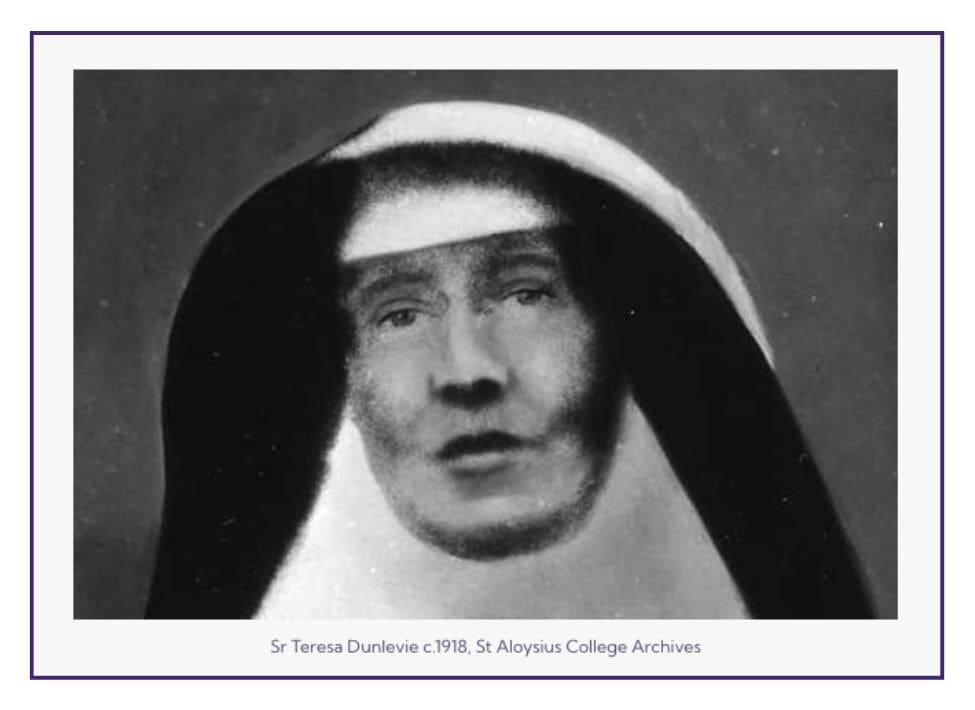
Born in Adelaide in 1884, Ellen “Nellie” Dunlevie received her entire education at St Aloysius College. She later studied at Adelaide Teachers’ College and taught for the South Australian Department of Education for seven years.
In 1913, Dunlevie entered the Convent and became known as Sr Mary Teresa, going on to become the first nun in South Australia to gain a Bachelor of Arts degree.
Five years later, Sr Teresa was appointed Headmistress of St Aloysius College – the first Old Scholar to hold the position – and remained leader of the College for 26 years.
During that time, SAC grew from a comparatively small school into one of Adelaide’s leading girls’ colleges.
Sr Teresa was also willing to try new approaches to education. With Sr Carmel Bourke, she introduced one of the first Montessori kindergartens in South Australia. Art and Eurythmics – an educational method involving movement to music and rhythm – were added to the curriculum, while Commercial classes were introduced with Sr Brigid Walsh in response to what students were asking for.
Sr Teresa also took a particular interest in opportunities for girls in sport, helping to establish the Catholic Girls’ Sports Association and introducing an annual Sports Day at SAC.
Underlying these changes was Sr Teresa’s belief that education should develop the whole person and give children opportunities to discover and cultivate their talents.
Former Principal Sr Judith Redden RSM sees a clear connection between that willingness to embrace new ideas and the building that now carries Sr Teresa’s name.
“I think her openness to creativity and new ideas that were emerging at the time is significant,” Sr Judith said. “She didn’t hesitate to take a brave step forward and embrace what she was seeing emerging instead of backing away from it. She faced it full frontal and with enthusiasm.”
For Sr Judith, seeing the new Dunlevie completed and opened was profoundly moving.
“The opening of this incredible space shows me that this community was worth every moment of effort that I put in to get the College to the stage it reached at the end of my time, and now to see it move ahead in light years under Paddy McEvoy’s leadership,” she said. “I have always wholeheartedly believed in what we are doing here to educate young woman, and I know we are standing on the shoulders of those who had gone before.”
Sr Teresa’s name has been attached to this part of the College for more than 30 years. In 1995, the building originally known as McAuley House was renamed the Dunlevie Building in recognition of her contribution to SAC.
More than a year ago, that building was demolished to make way for the new primary development. The new Dunlevie Building now stands on the footprint of its predecessor, continuing the association between this part of the College and Sr Teresa’s name and legacy.
Sr Judith said maintaining that connection was important.
“I think it’s wonderful to have that tradition move along with it,” she said. “It will remind people to look back to what has happened before, and I think that’s a great lesson for all of us.”
The new Dunlevie Building was planned specifically for the College’s primary years.
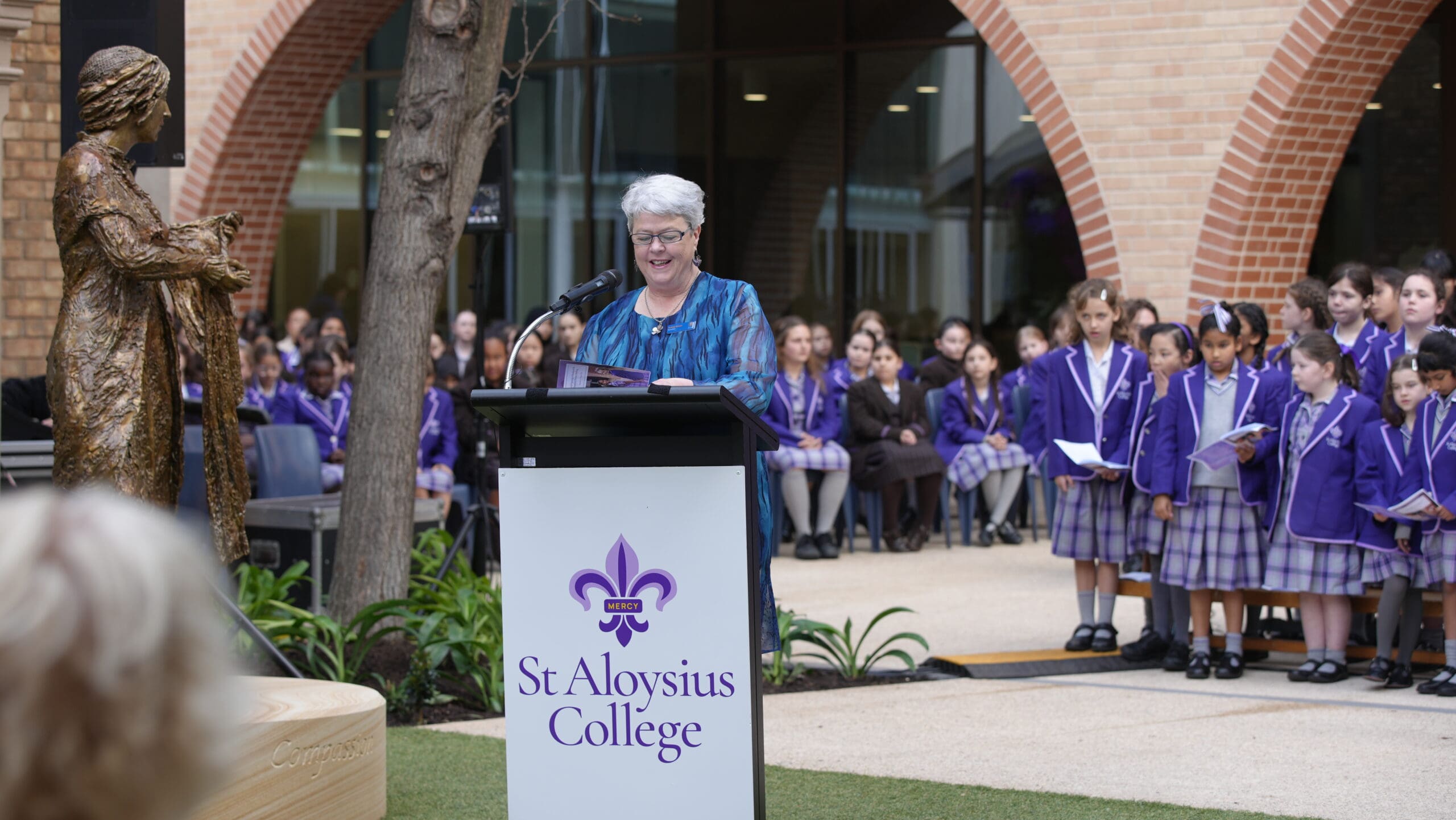
Principal, Ms Paddy McEvoy, said the need for dedicated primary facilities reflected the growth of this part of the College.
“In the last 50 years, the numbers of primary students enrolled at SAC have increased significantly, so it was important that we design a building that responds to the needs of our youngest students,” Ms McEvoy said.
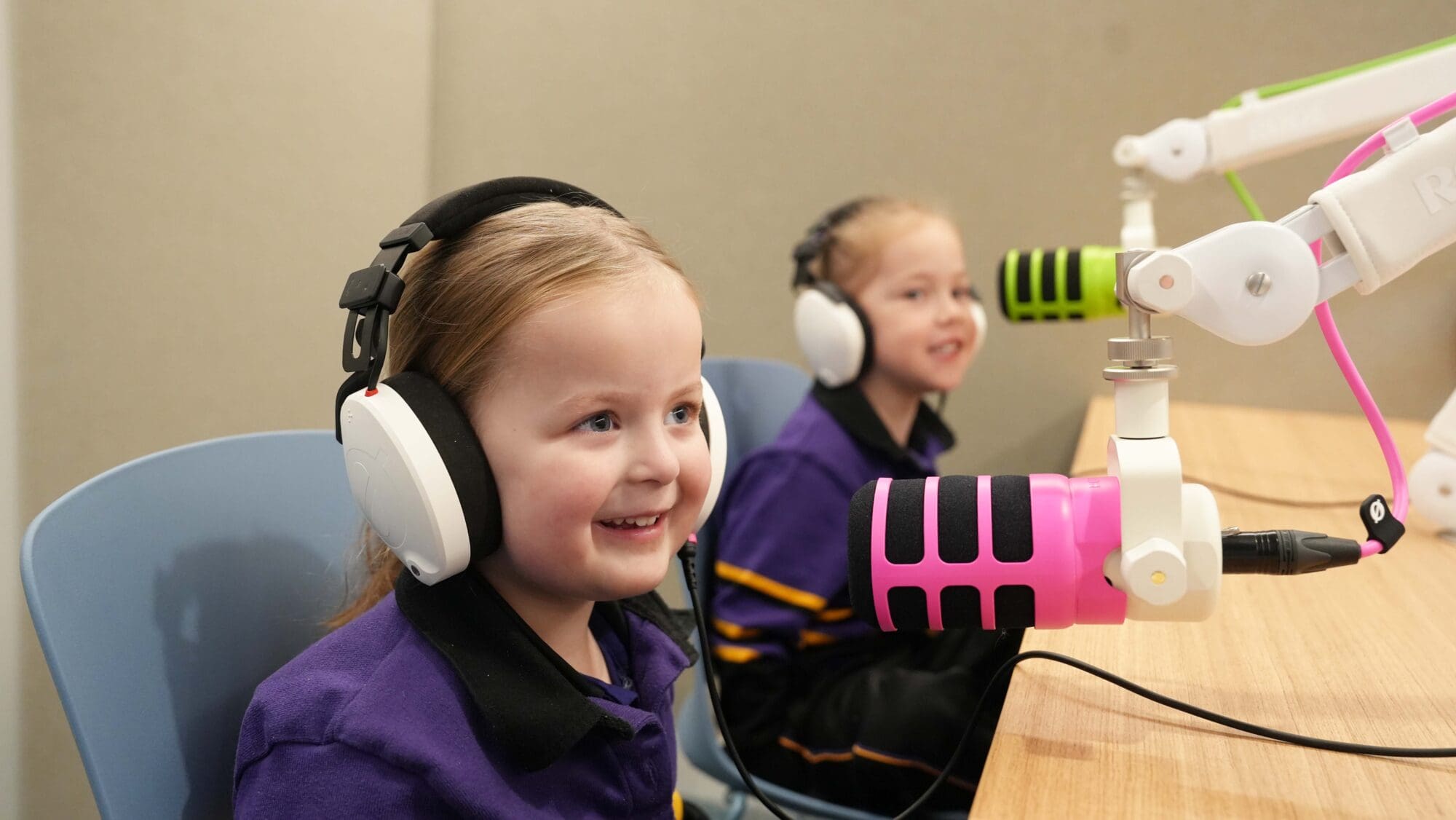
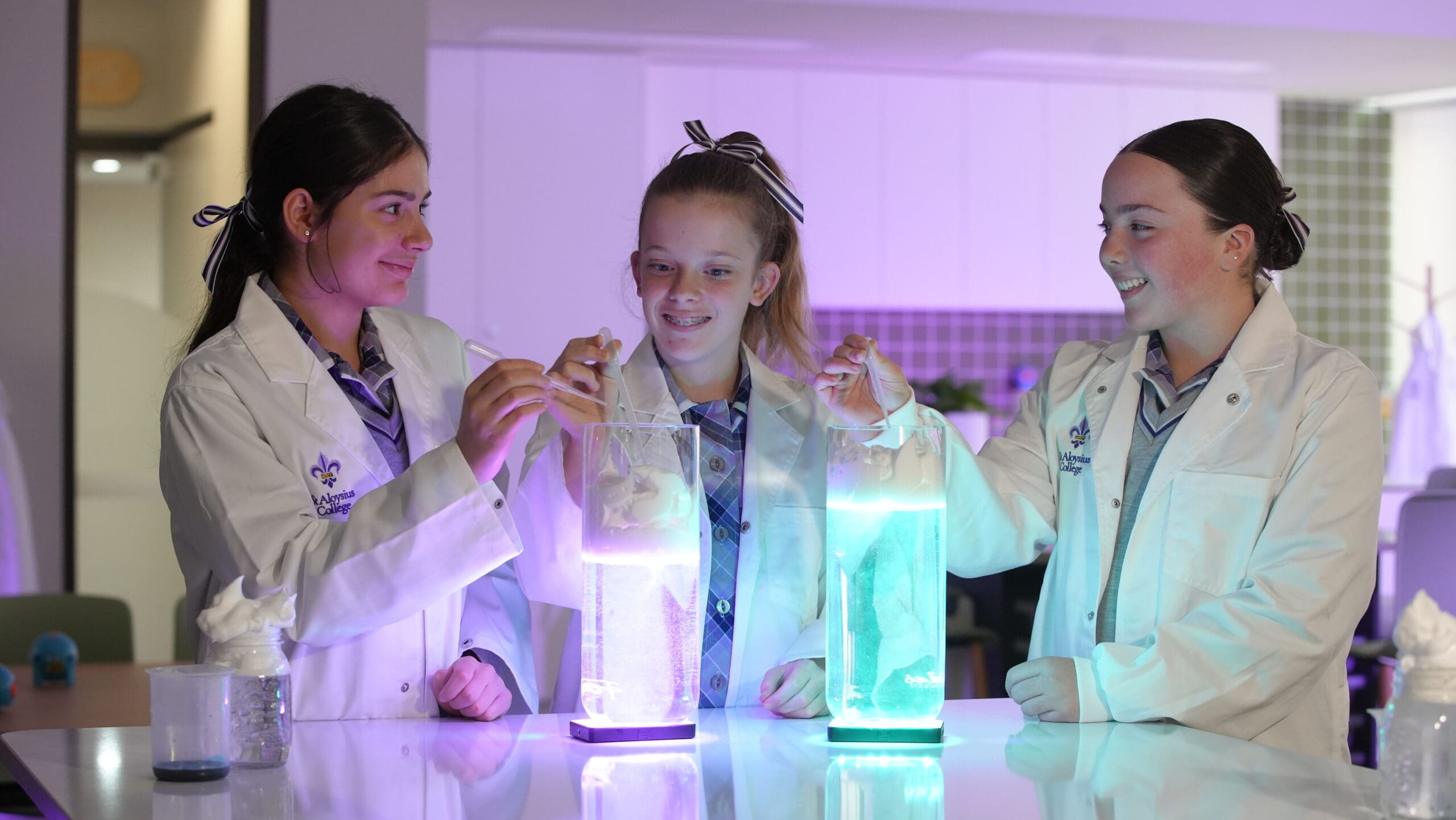
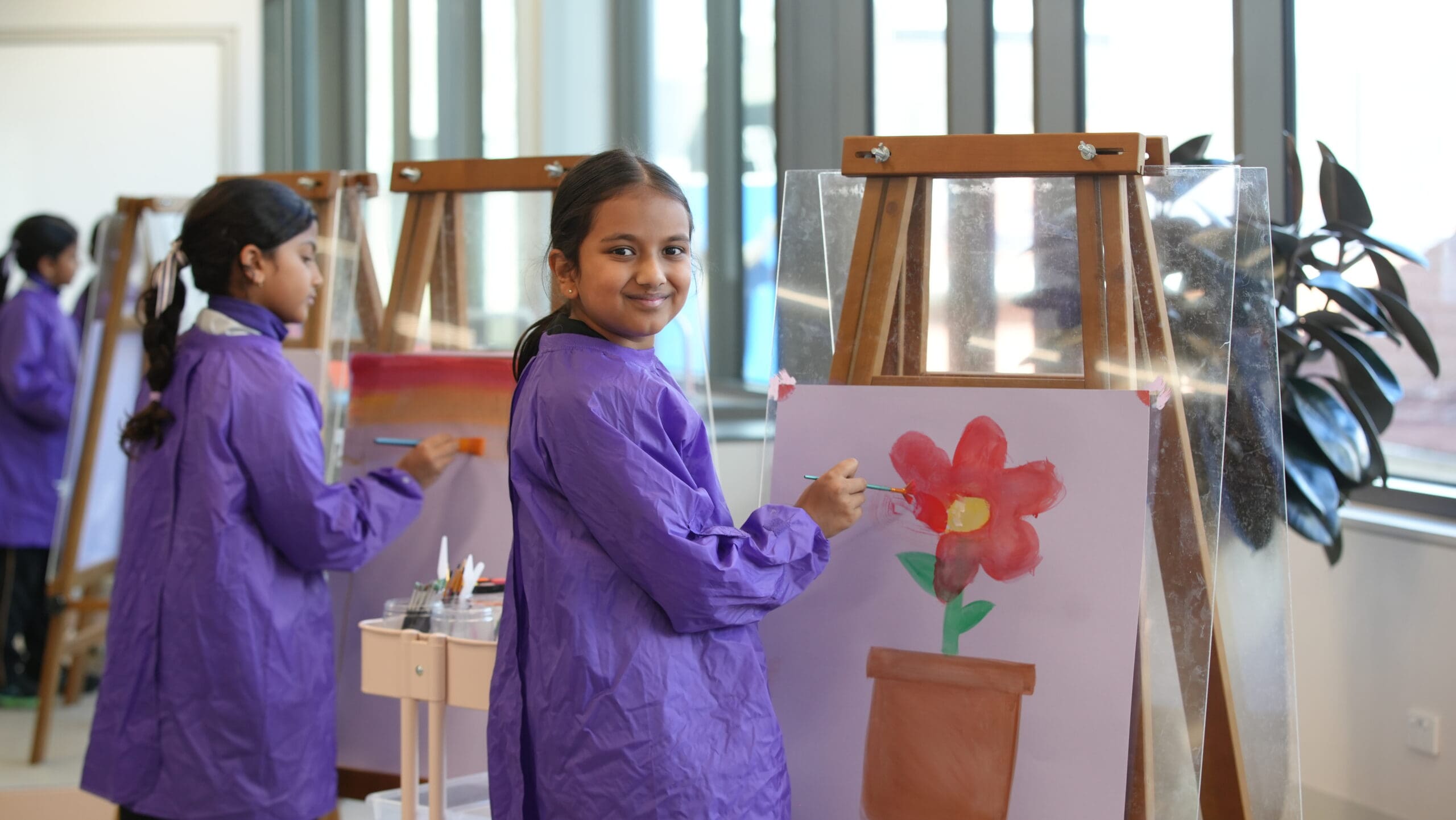
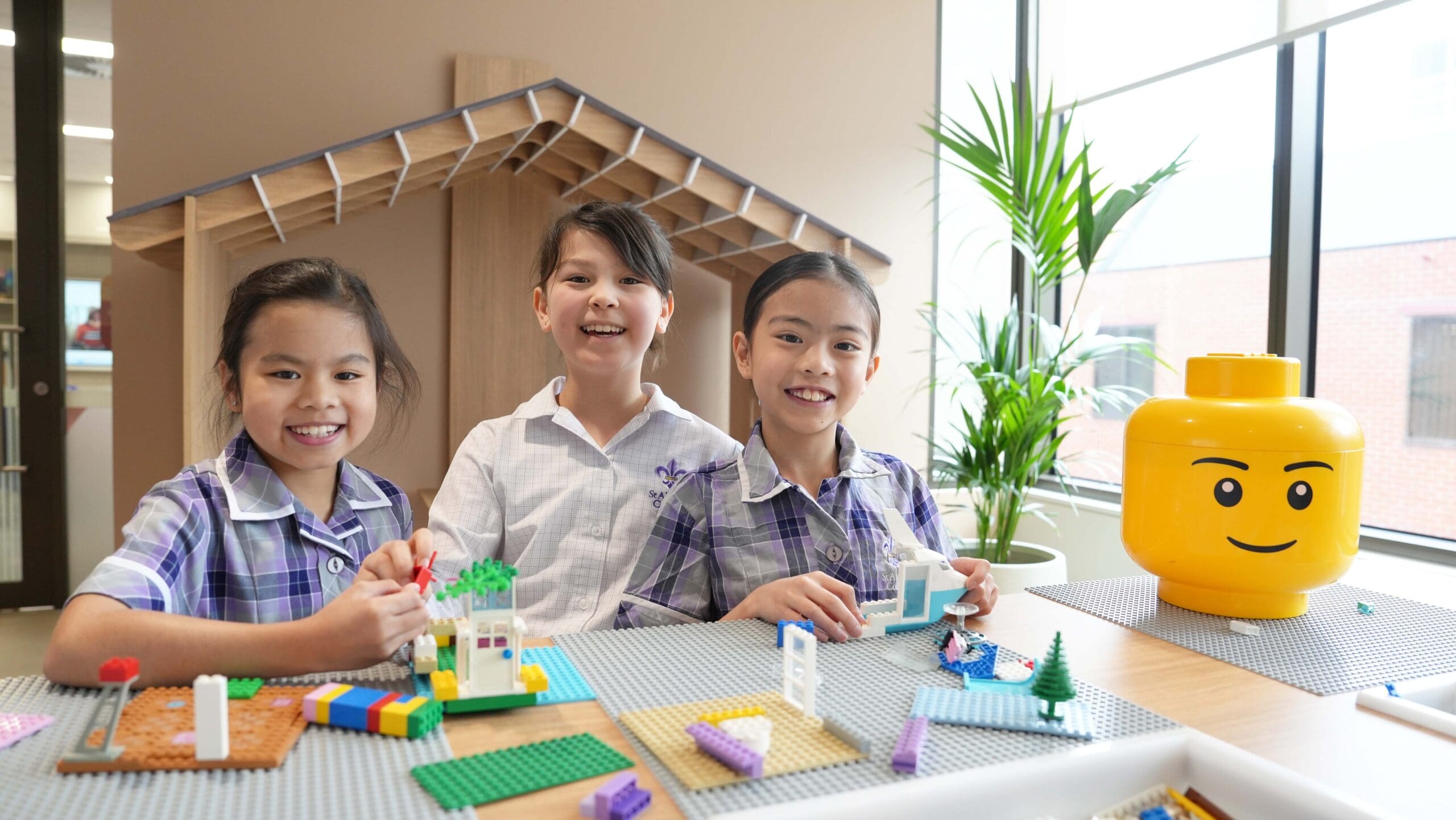
Flexible classrooms are arranged around Learning Commons, giving teachers and students options for individual and collaborative learning. Sensory rooms and breakout spaces provide quieter areas when students need them, while dedicated STEM and Arts spaces allow for specialist learning.
At the centre of the building, large windows bring natural light through the main stairwell and surrounding learning spaces. On the rooftop, students have a new outdoor area for play, with views across the city.
Students also had a say in the planning of Dunlevie. During the design process, they worked with staff and architects to share the kinds of spaces that help them learn and feel comfortable at school.
“This building supports contemporary pedagogies for early years, with a diverse range of learning spaces and opportunities for collaboration between students of all ages,” Ms McEvoy said.
“Staff and student input in the design phase was crucial to shaping this facility, and the excitement of staff and students in this first month of use reflects their ownership of the outcome.”
Listening to students in this way has a strong precedent in the history of the College. More than 100 years earlier, Sr Teresa introduced new courses and programs in response to the interests and needs of the students of her own time.
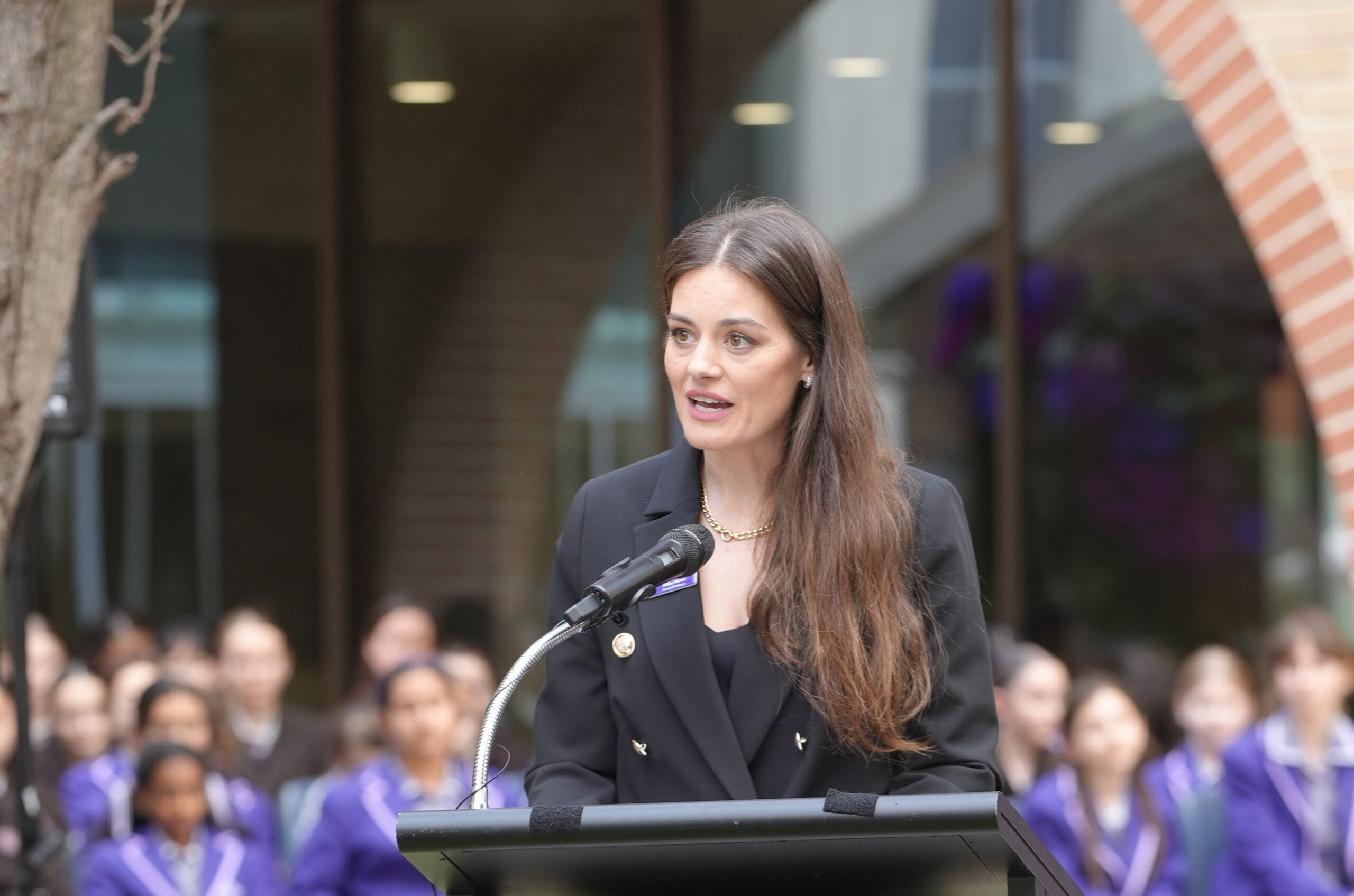
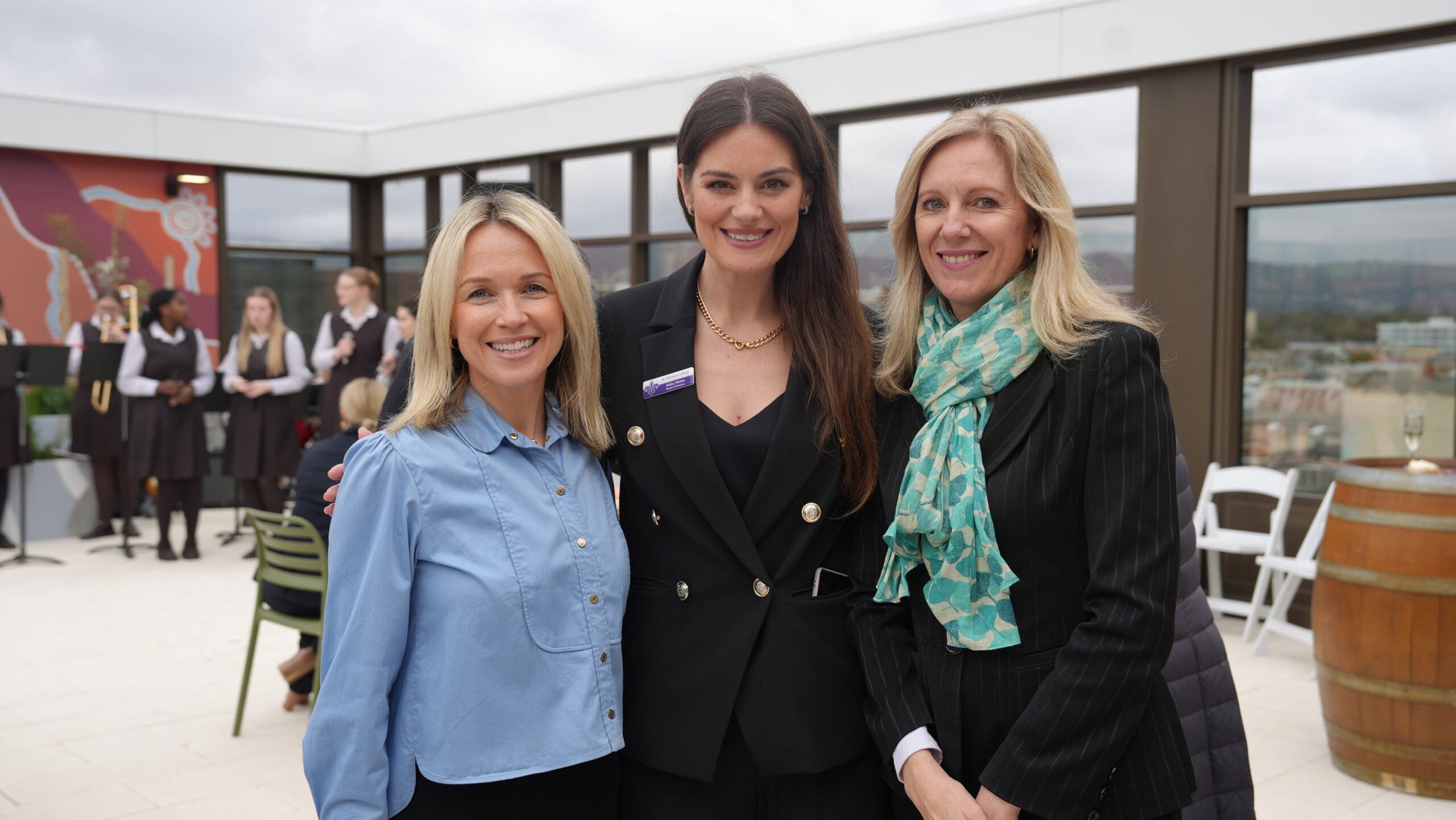
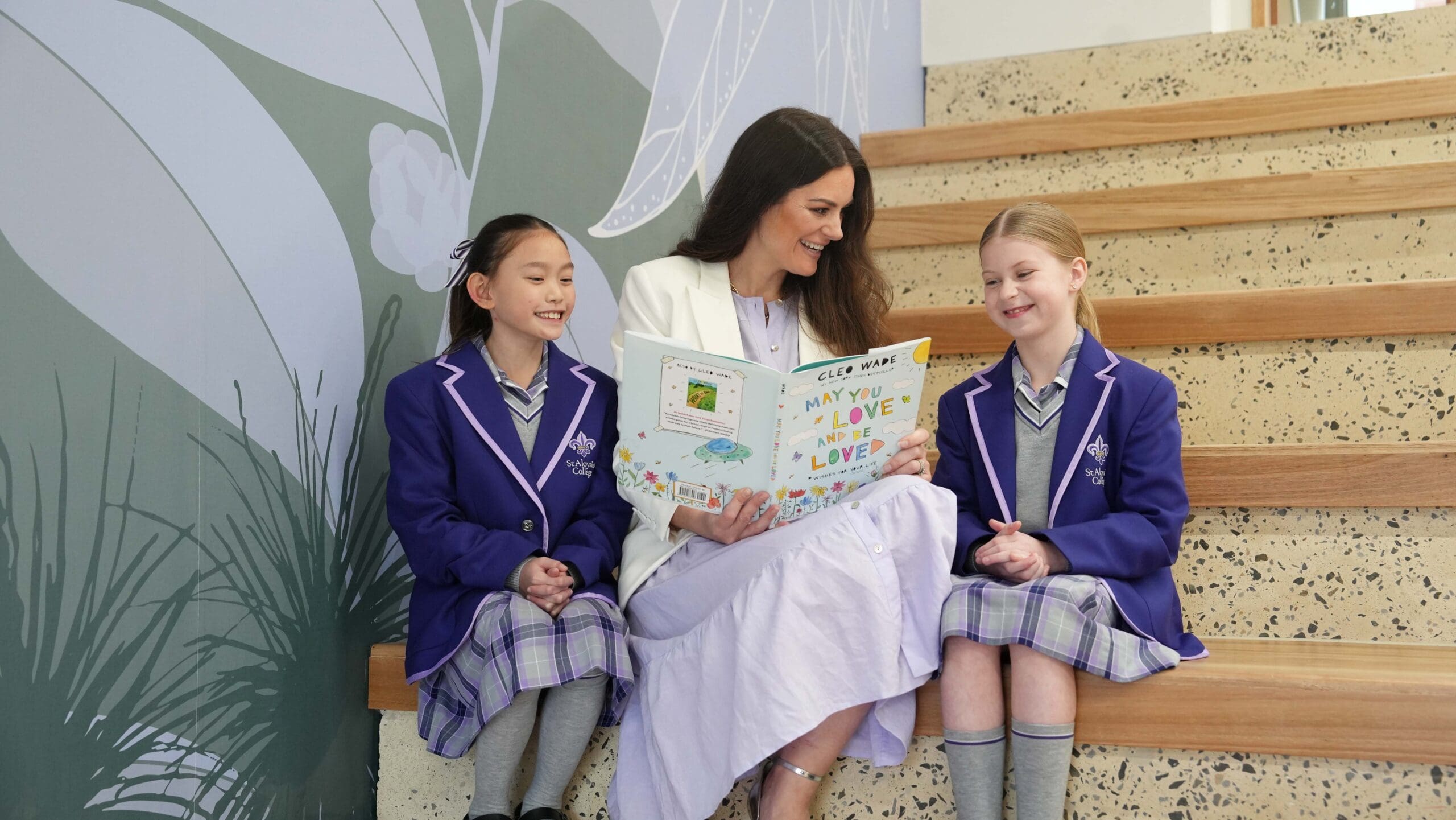
Head of Primary, Ms Abby Matte, has now had the opportunity to watch the building move from plans and ideas into the everyday life of the Primary School.
“The thing that I was looking forward to the most was seeing whether the students were going to use the spaces in the way in which they were intended,” Ms Matte said. “By all our observations and the feedback we’ve had, that is very much the case.”
Some of the most revealing feedback has come from the students themselves.
Ms Matte said students had begun suggesting how they would like their Learning Commons to develop, and she had been struck by the importance that older primary students still placed on opportunities for imaginative play.
“Even though they’re in Years 5 and 6, they still want to play. They want to be imaginative,” she said.
One of the most noticeable changes has been the way the building allows students to interact beyond the boundaries of an individual classroom.
“Seeing how the girls are interacting in the Learning Commons spaces with their whole year-level cohort, rather than just their classroom, is definitely something I have enjoyed watching,” Ms Matte said. “They didn’t have access to that before. Now the neighbourhoods make that possible.”
The history of the College was also considered in the design.
Designed by Grieve Gillett Architects and Hayball, with construction undertaken by Schiavello Construction. Although the building has been created for contemporary teaching and learning, elements of its design reference the older buildings around it. Its arches, for example, echo those of the historic Convent building nearby.
Dunlevie had already begun becoming part of students’ everyday school lives before its official opening.
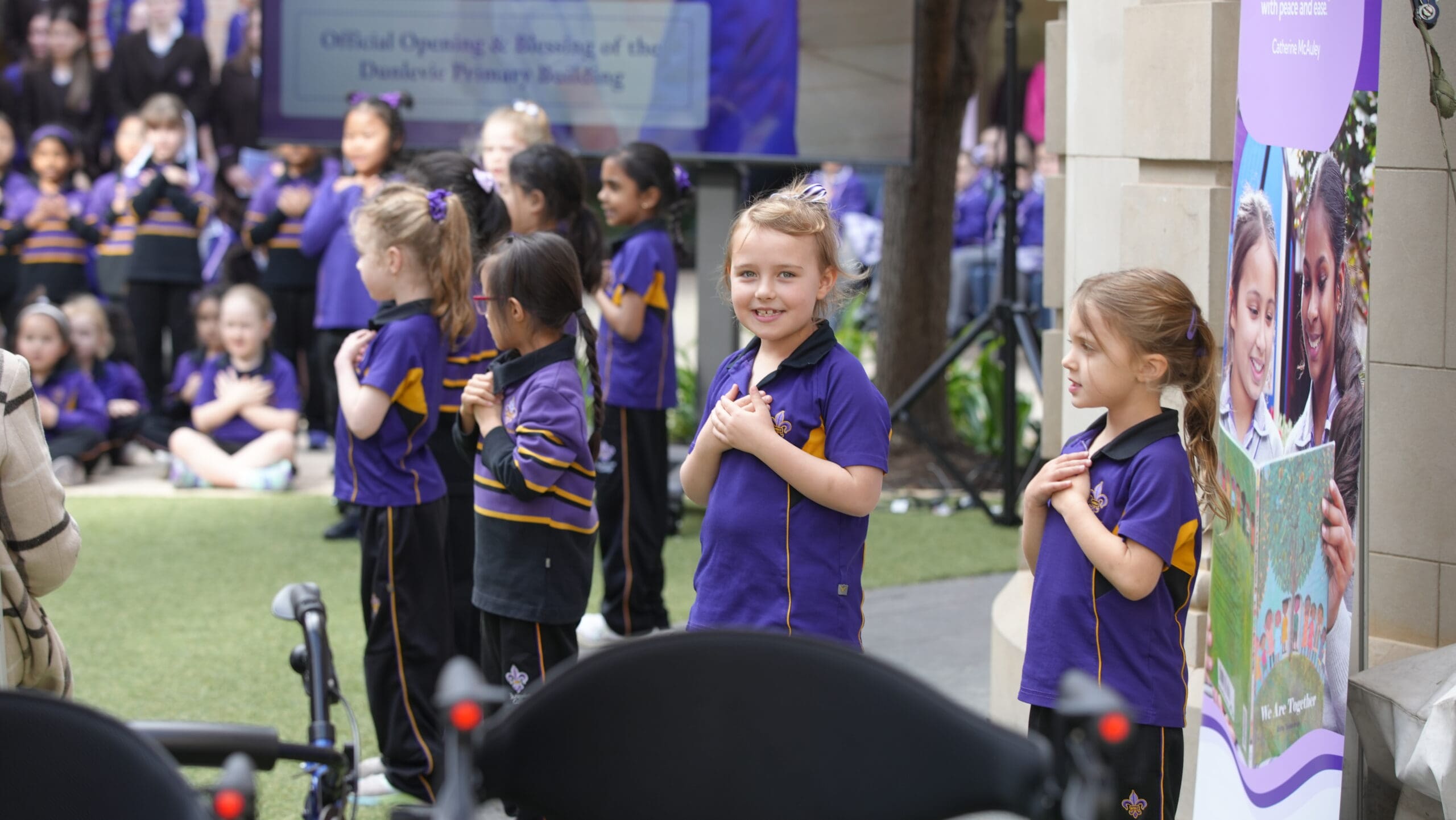
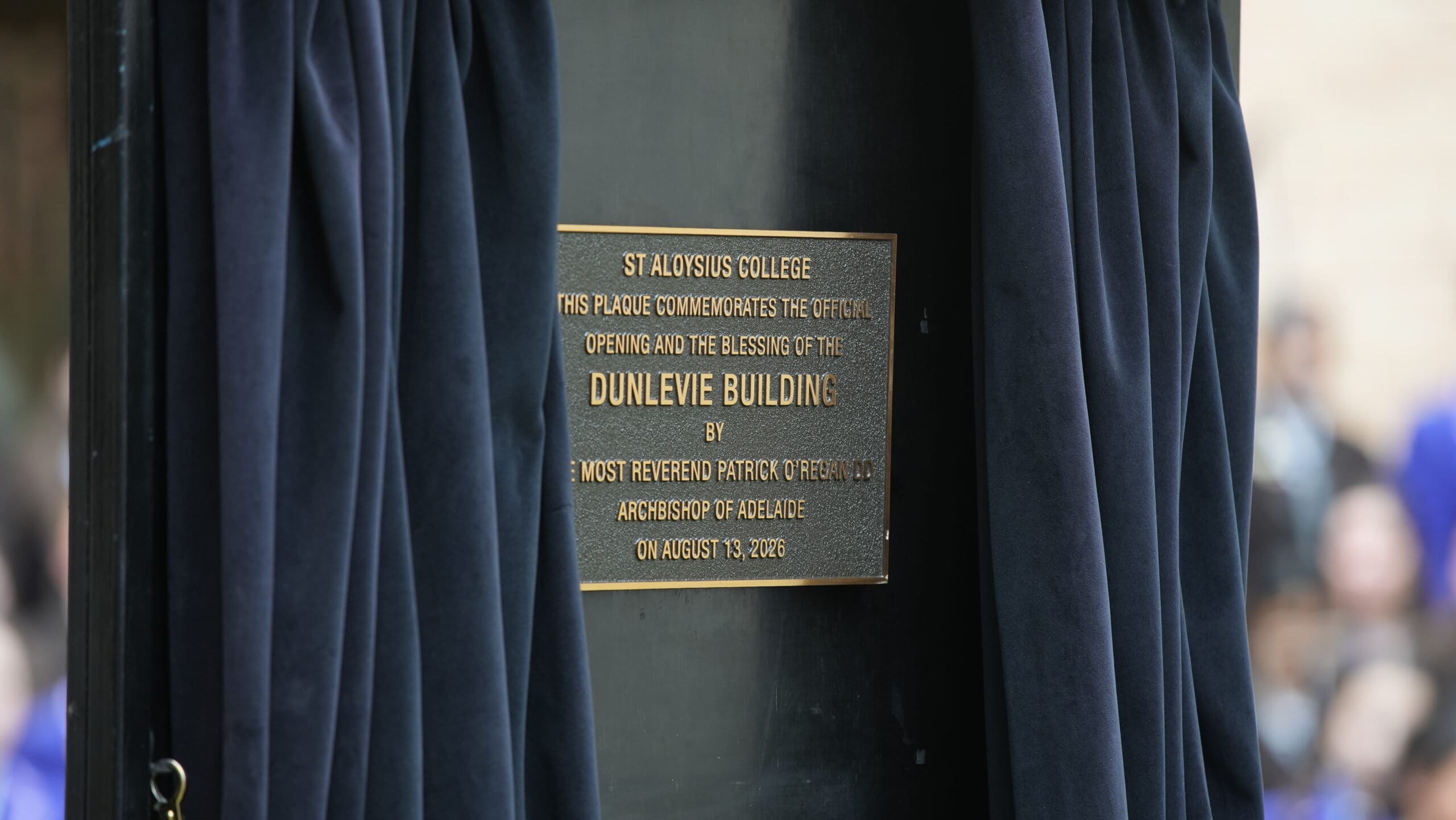
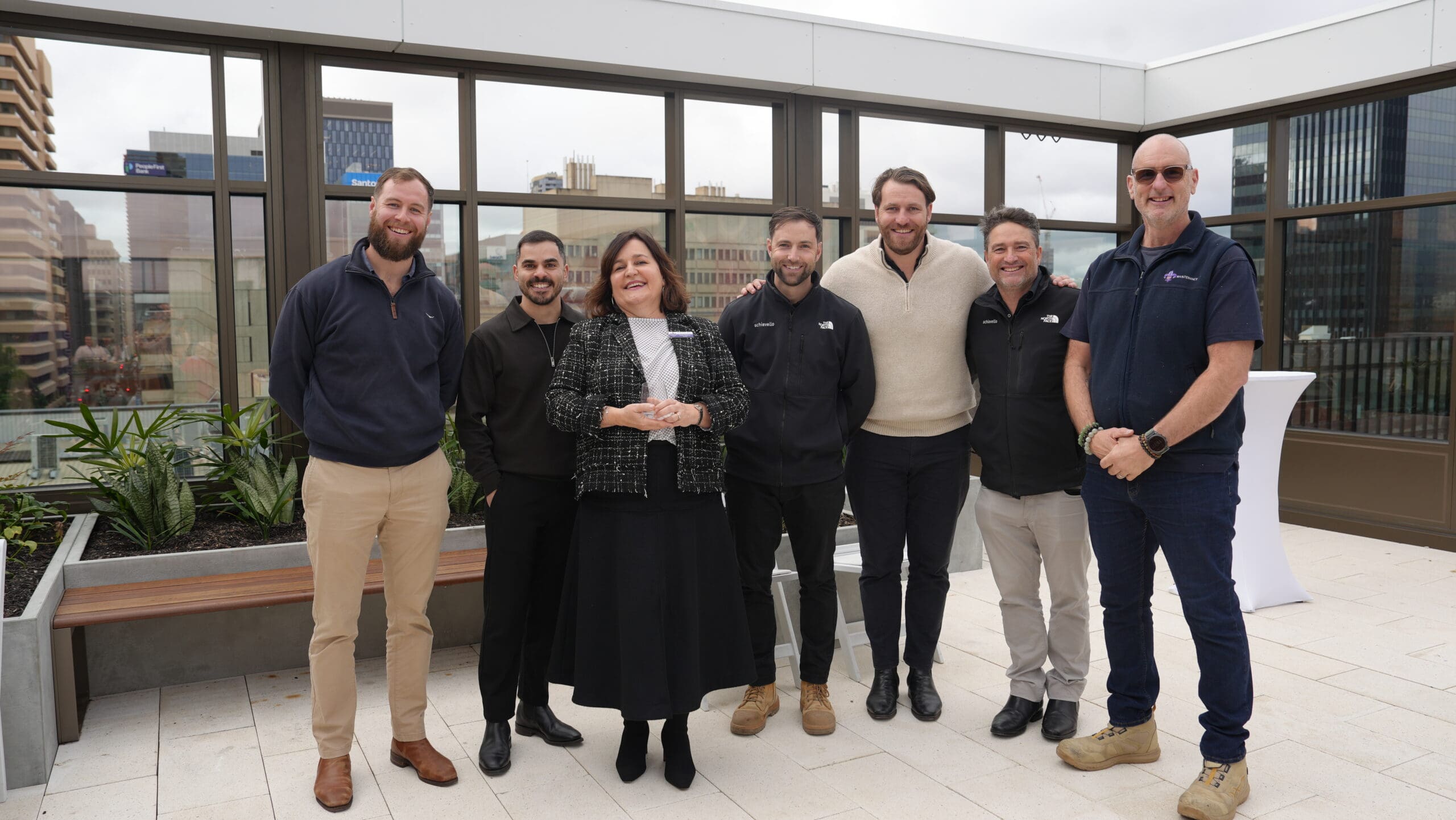
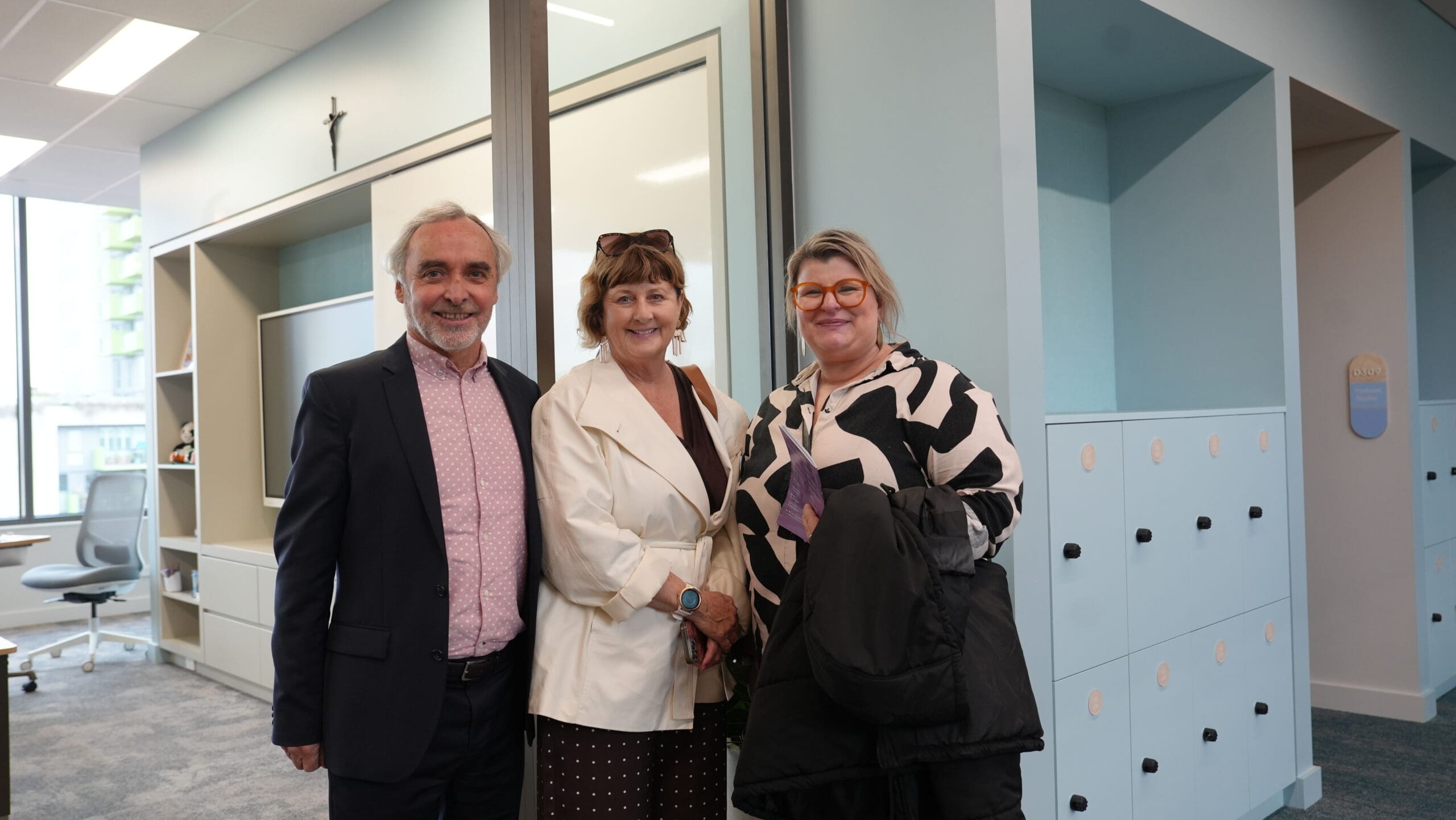
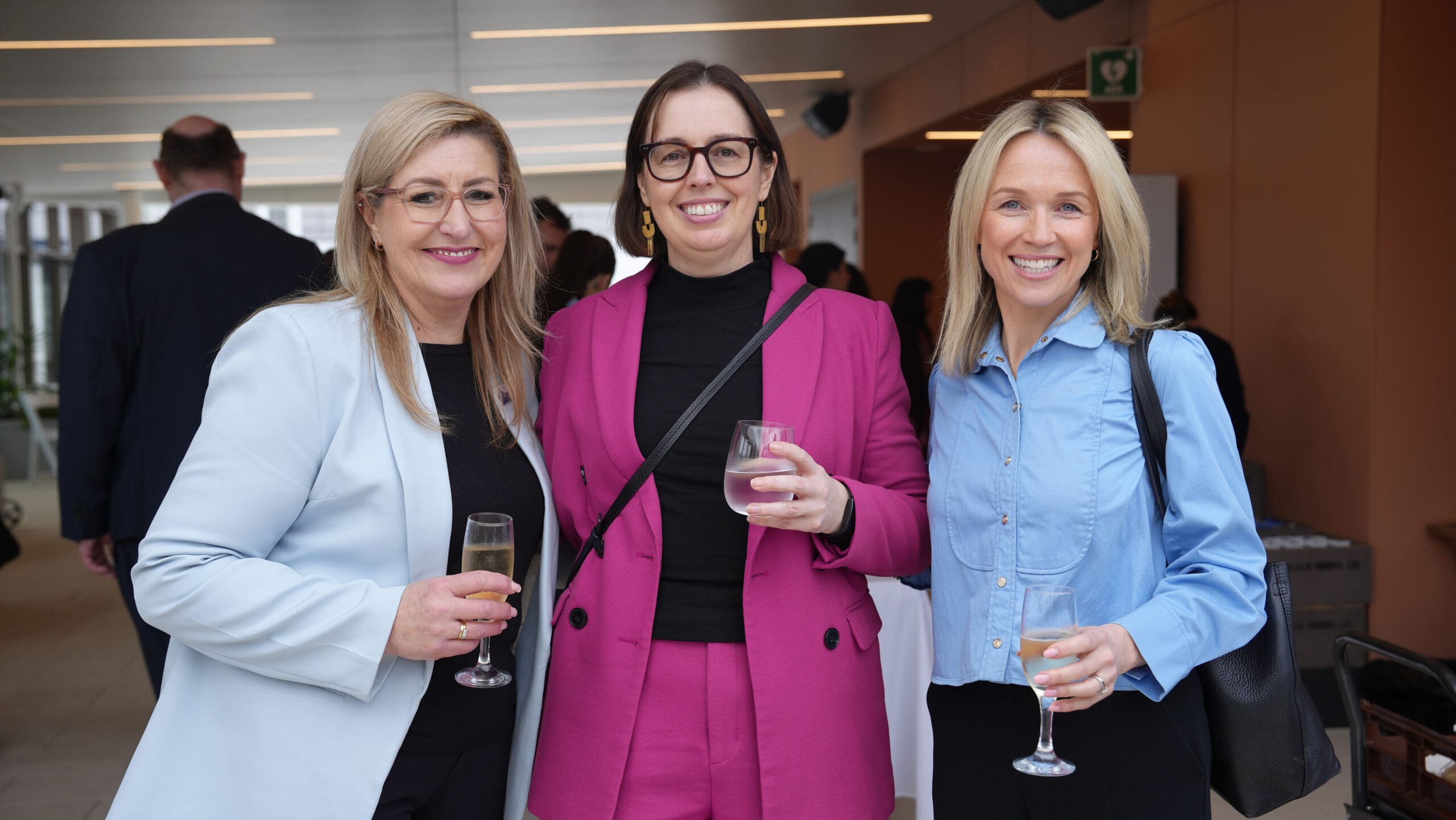
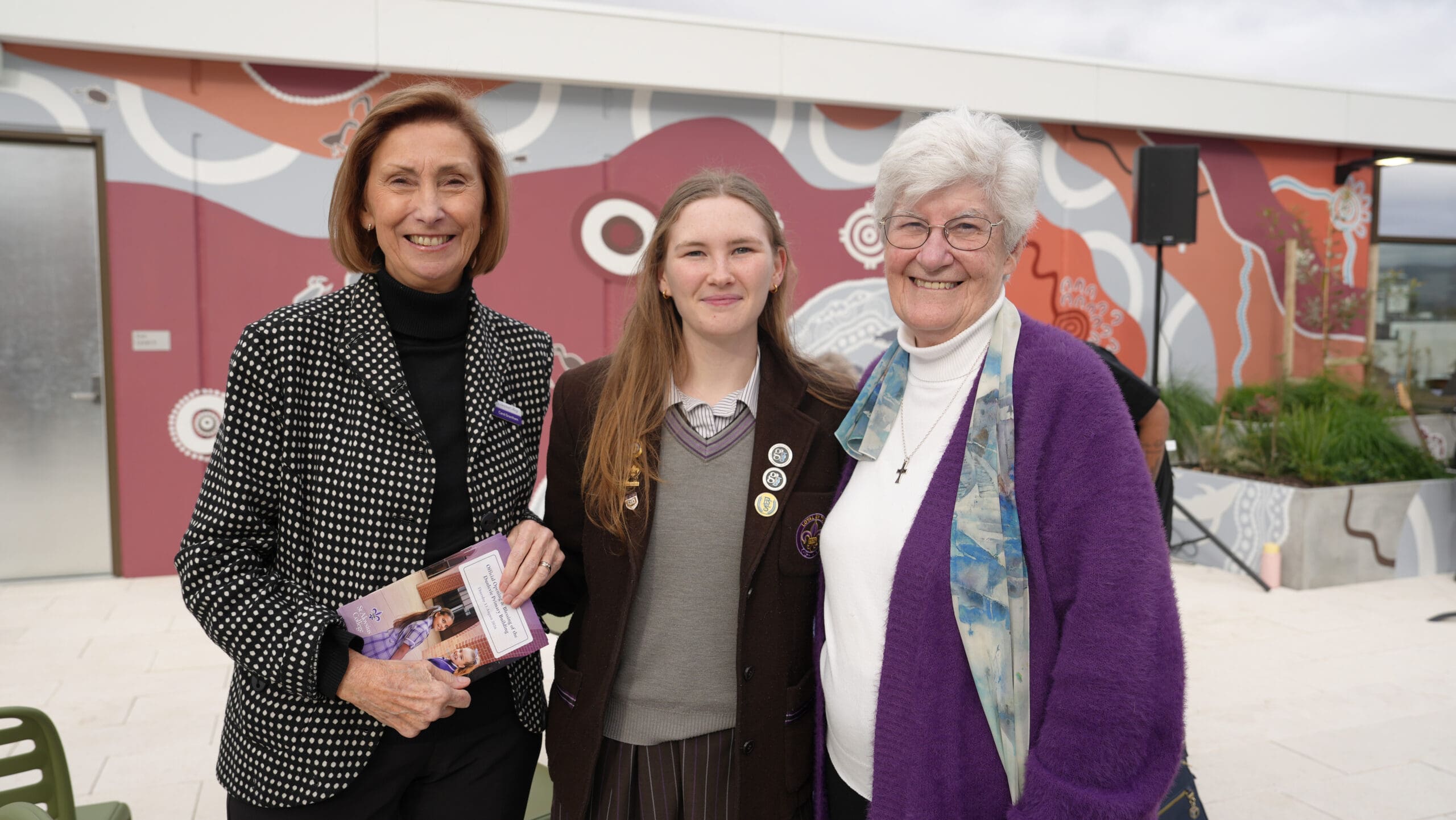
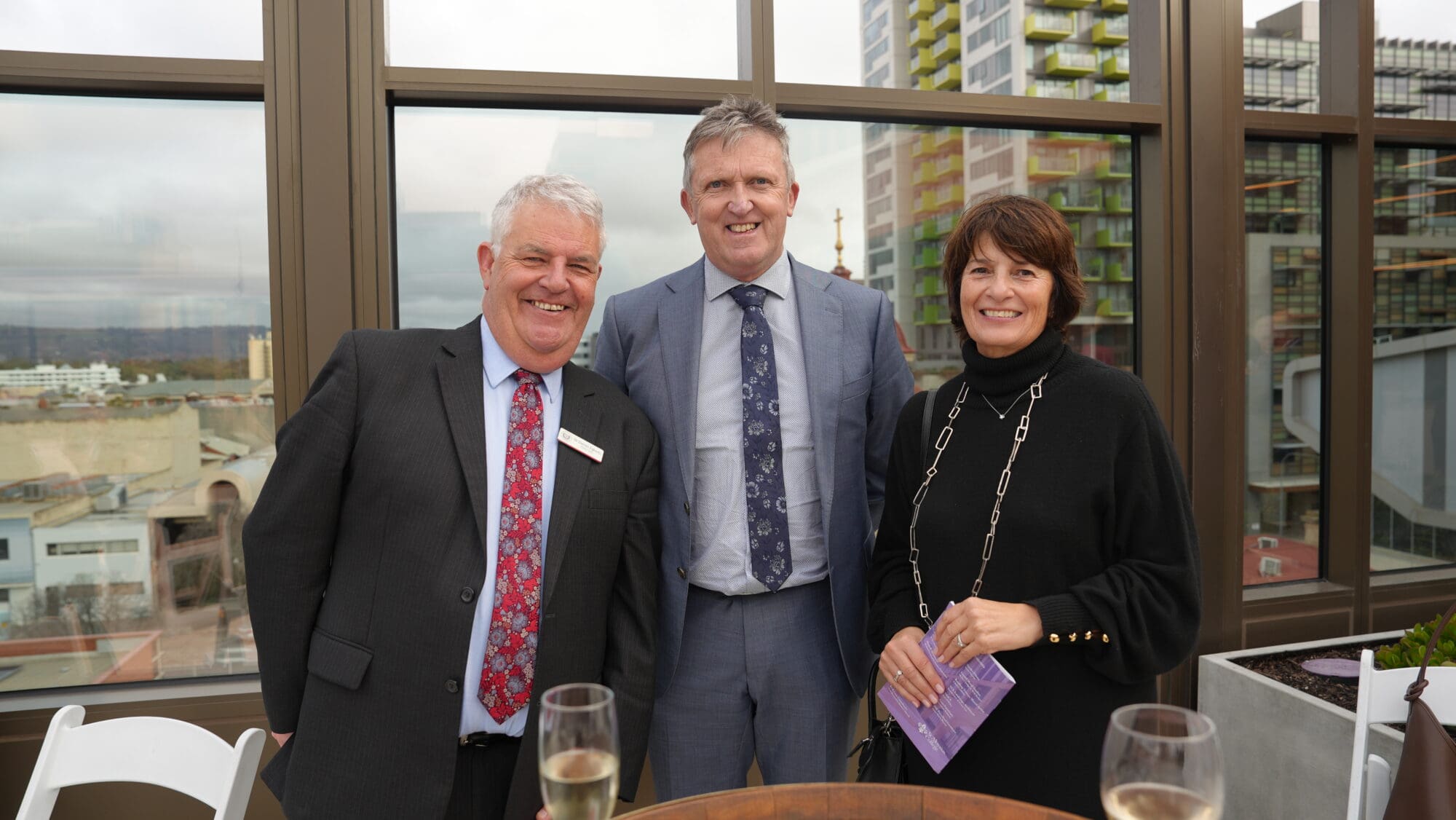
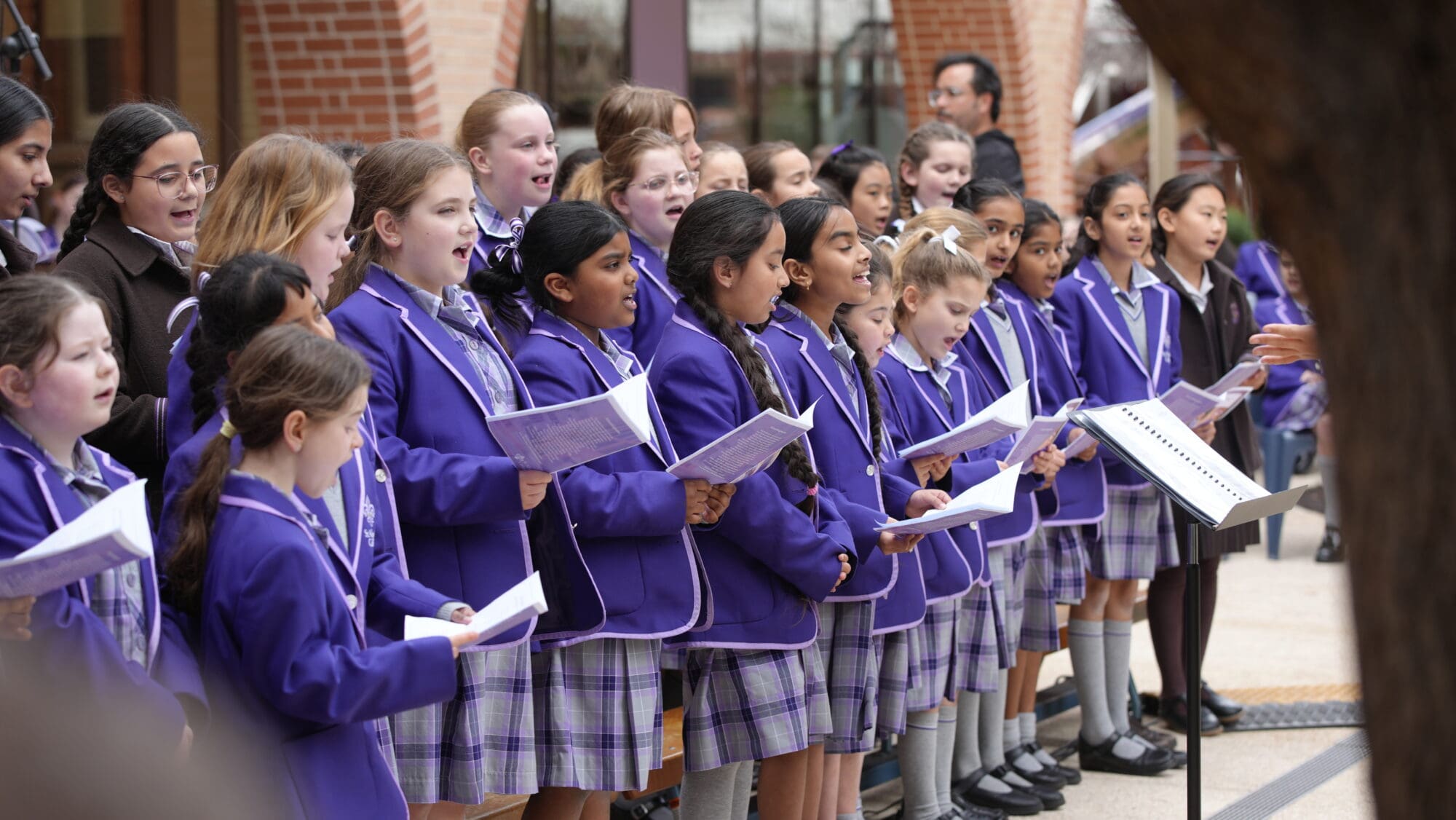
Primary students moved into the building at the beginning of Term 3 and, on Friday 24 July, students, staff and families gathered in the Dunlevie Courtyard for a Welcome to Country led by proud Kaurna man Jack Buckskin.
Since then, its classrooms, Learning Commons and shared spaces have become part of the rhythm of the school day.
For Ms McEvoy, the significance of the building ultimately reaches beyond the facilities it provides.
“At SAC, we stand on the shoulders of some incredibly talented, innovative and future-focused educators in the Sisters of Mercy,” she said.
“We look forward to continuing their legacy, blazing a trail for Mercy in today’s world and educating girls to believe in themselves, in their own cultural roots and in their strength as women of Mercy.”
The new Dunlevie has replaced a building that generations of St Aloysius College students and staff knew by the same name. Its purpose, however, is very much about the students using it today and those who will follow them.
It is particularly appropriate that a building for the College’s youngest students should carry the name of an educator who introduced one of South Australia’s earliest Montessori kindergartens and spent much of her career looking for new ways to meet the needs of her students.
Much has changed at St Aloysius since Sr Teresa Dunlevie became Headmistress in 1918. The College she once led has grown, teaching has changed and generations of students have passed through its gates.
What has continued is a commitment to knowing students as individuals and giving them the opportunity to make the most of their abilities.
On the day Dunlevie was officially opened, that continuity could be seen in the building itself: the century-old Convent reflected in the windows of a new school designed for the next generation.
For the primary students already learning there, that history is only part of the story.
It is now their school.
Ms Maddie Kelly