



20.11.26
Working Together for Humanity
Two events in October invited the St Aloysius College community to reflect on peace, belonging and the part young people can play in challenging prejudice.
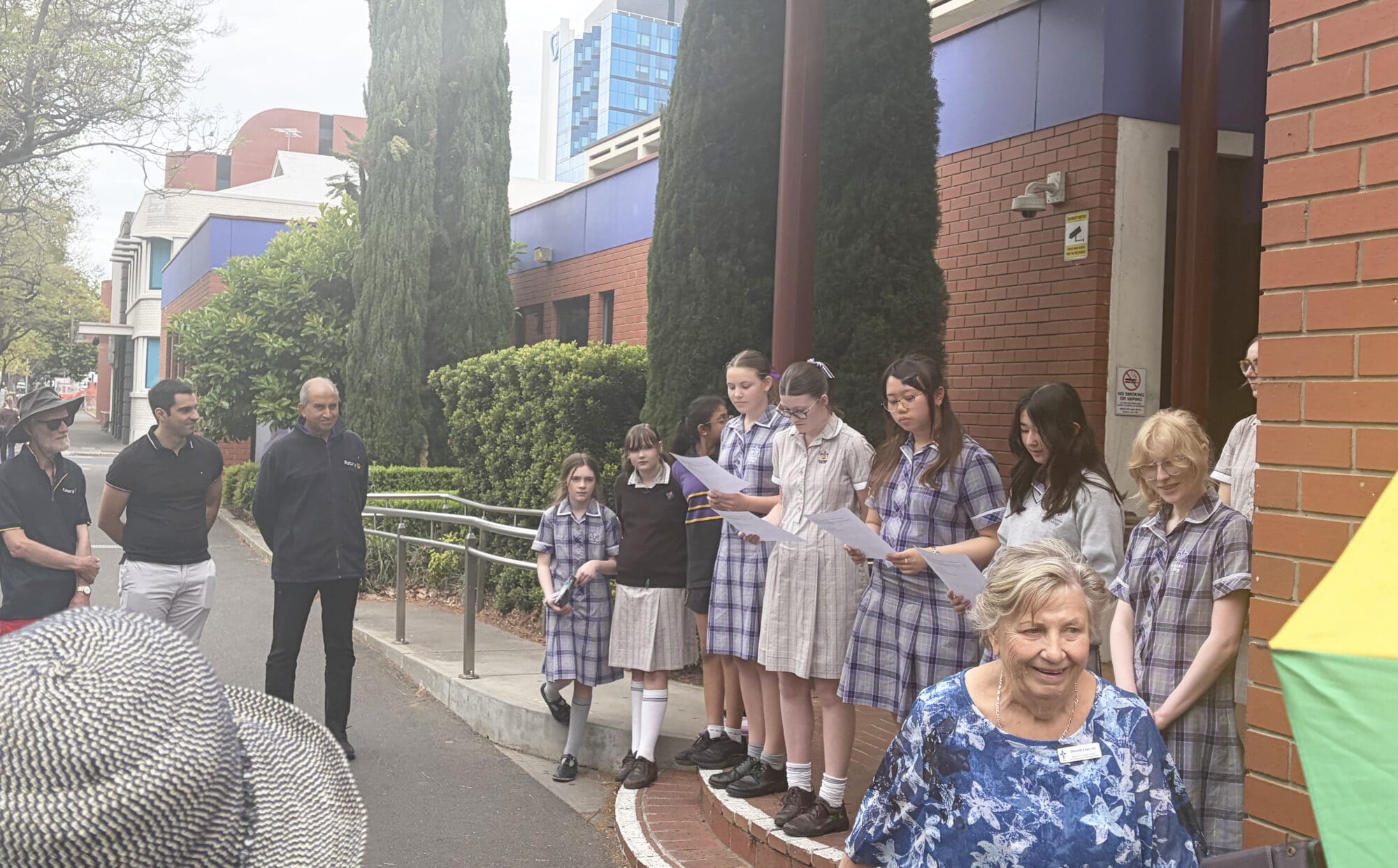
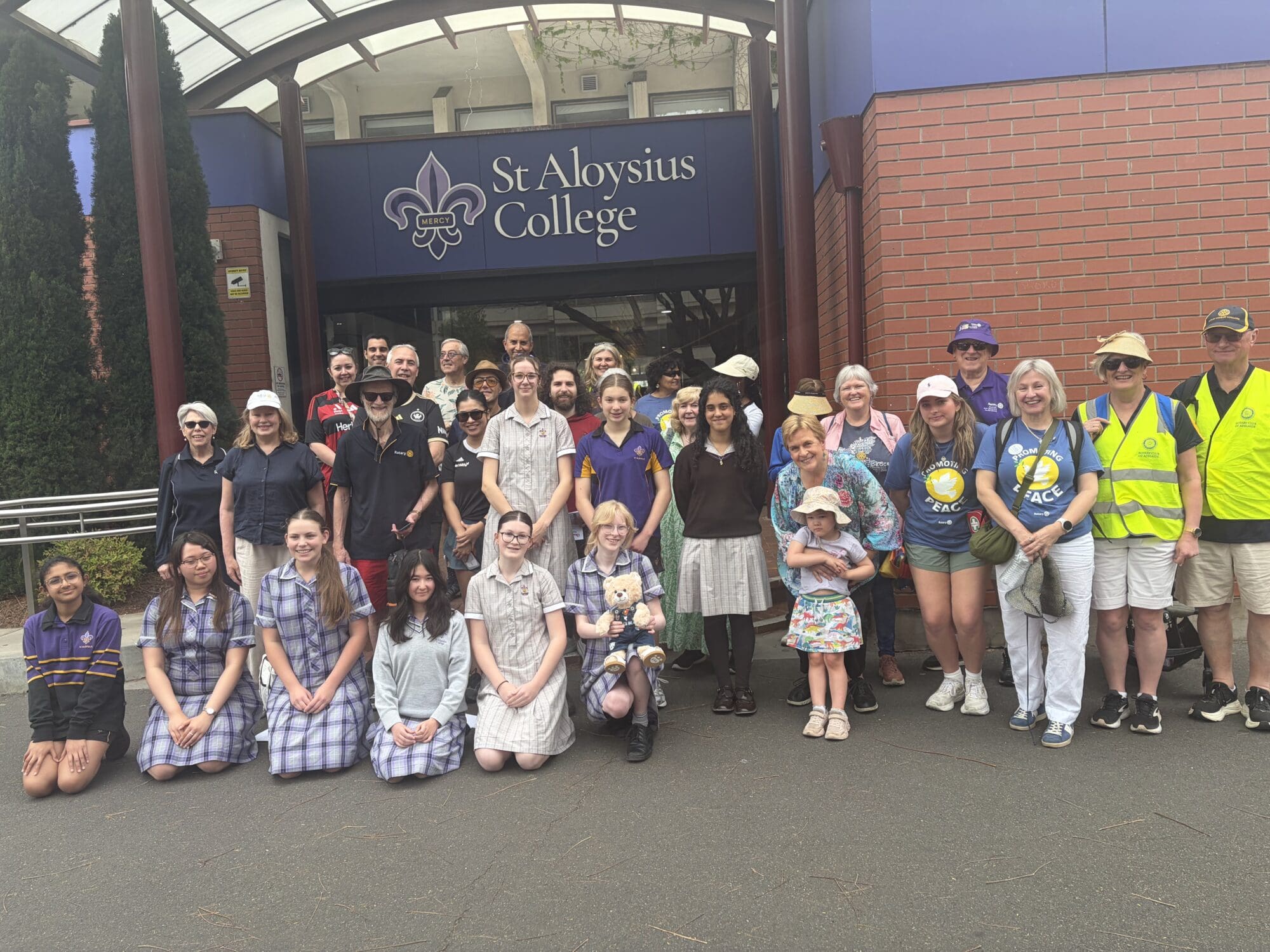
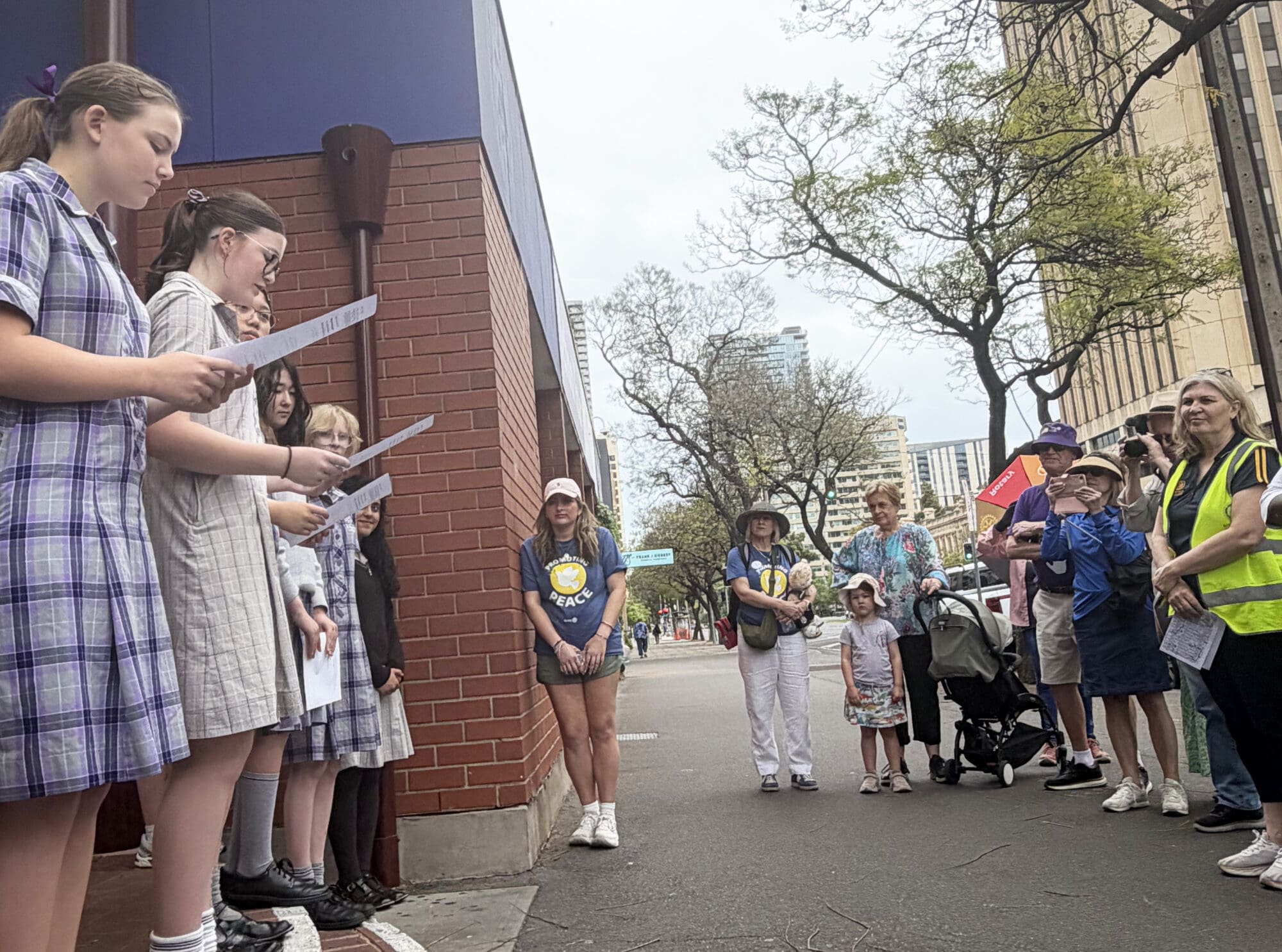
On Friday 23 October, staff and students at St Aloysius College welcomed participants in the Rotary Club of Adelaide’s inaugural Adelaide Peace Walk as they paused outside the College.
The College had been selected as a reflection point along the walk in recognition of the Peace Pole situated within its grounds. It was a simple but meaningful occasion, bringing members of the wider community together in a shared commitment to peace.
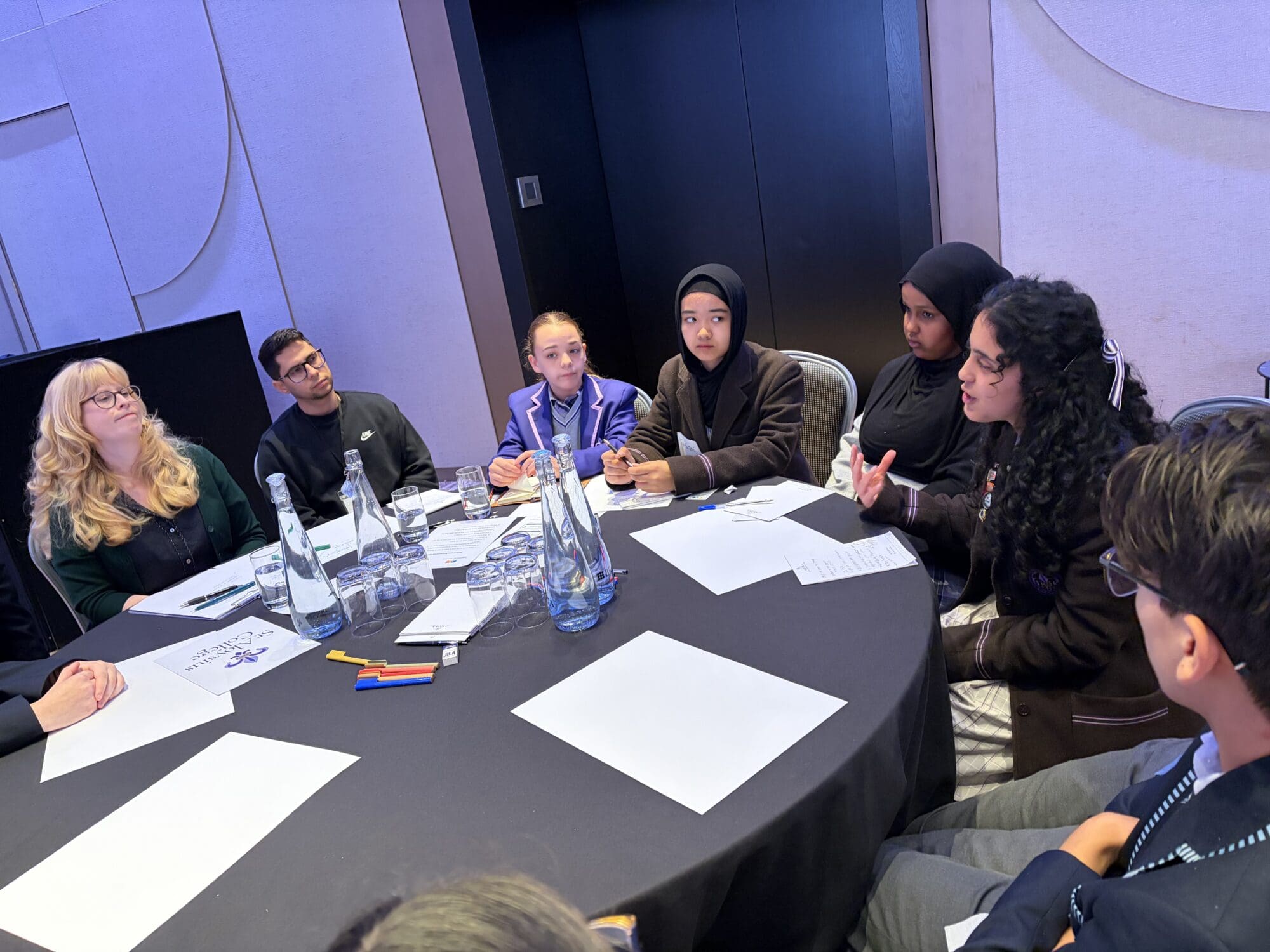
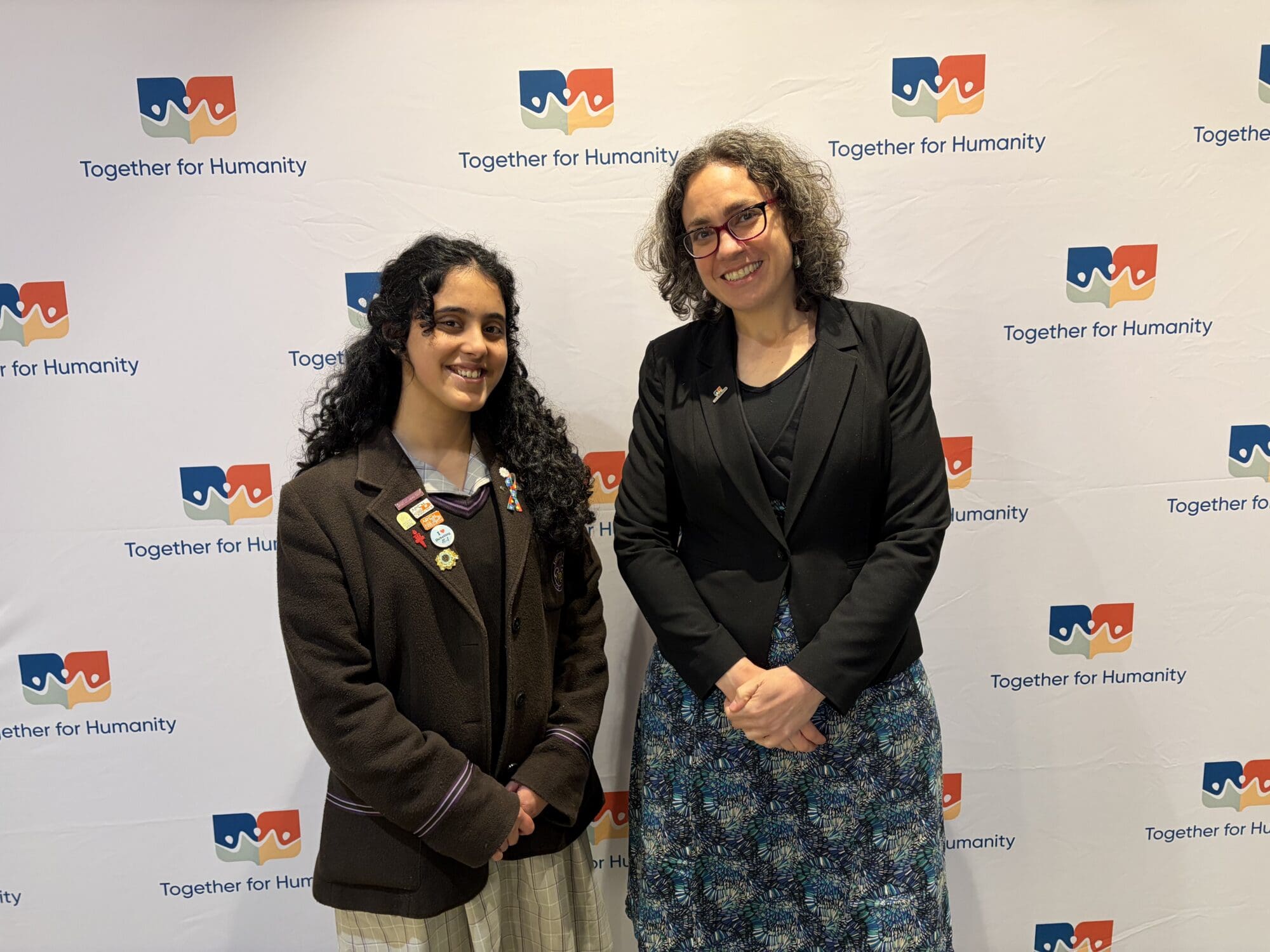
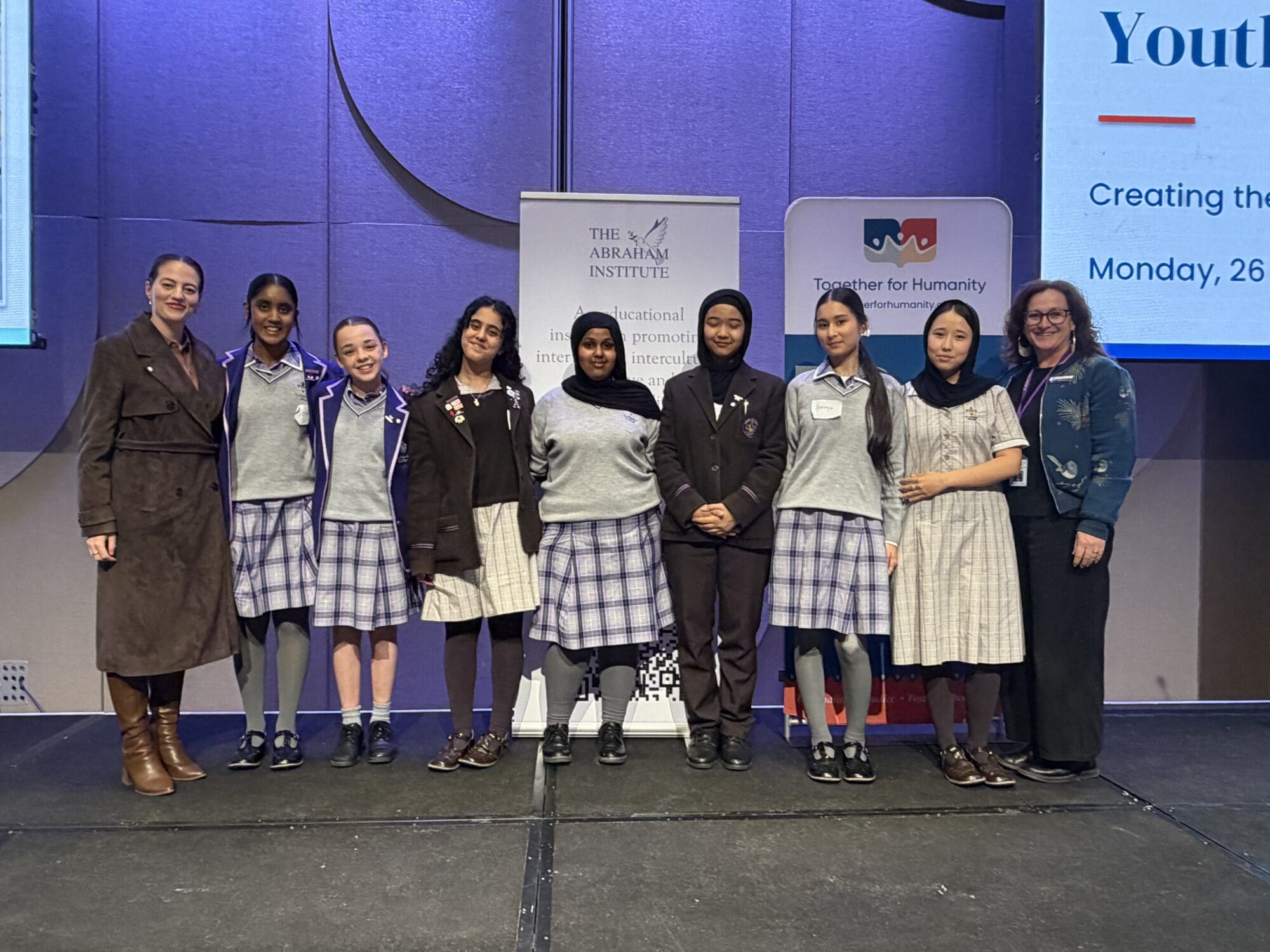
Three days later, seven SAC students were exploring some of these same questions and ideas at the Together for Humanity Youth Summit, held at Adelaide’s Amora Hotel on Monday 26 October.
The Summit, themed ‘Creating the Community We Want’, brought students from different schools together to consider how young people might respond to racism and contribute to more inclusive school communities.
Our students presented on casual racism, drawing attention to the everyday comments and assumptions that can cause harm, even when no offence is intended.
For Year 7 student, Senudi, standing on stage and sharing the group’s ideas with an audience that included political representatives was a highlight.
“The fact that there were politicians listening to our words and thoughts made me feel like adults care and are eager to hear what youth think and believe,” she said.
It was an experience that left Senudi with a greater sense of confidence in the value of young people’s contributions. She was encouraged to discover that people in positions of influence were interested in hearing what students had to say.
Fellow participant, Aamina, in Year 10, also enjoyed the opportunity to present the group’s work, recalling the preparation, occasional mishaps and laughter along the way.
Aamina was invited to speak about the event on live radio, an experience she described as one of the day’s highlights.
“To have your voice heard and truly represented in a room full of young leaders, change makers and politicians is a feeling that stays with you for a long time and inspires you to keep going,” she reflected.
Throughout the Summit, students heard about initiatives developed by other schools and considered how different communities approach cultural understanding and inclusion.
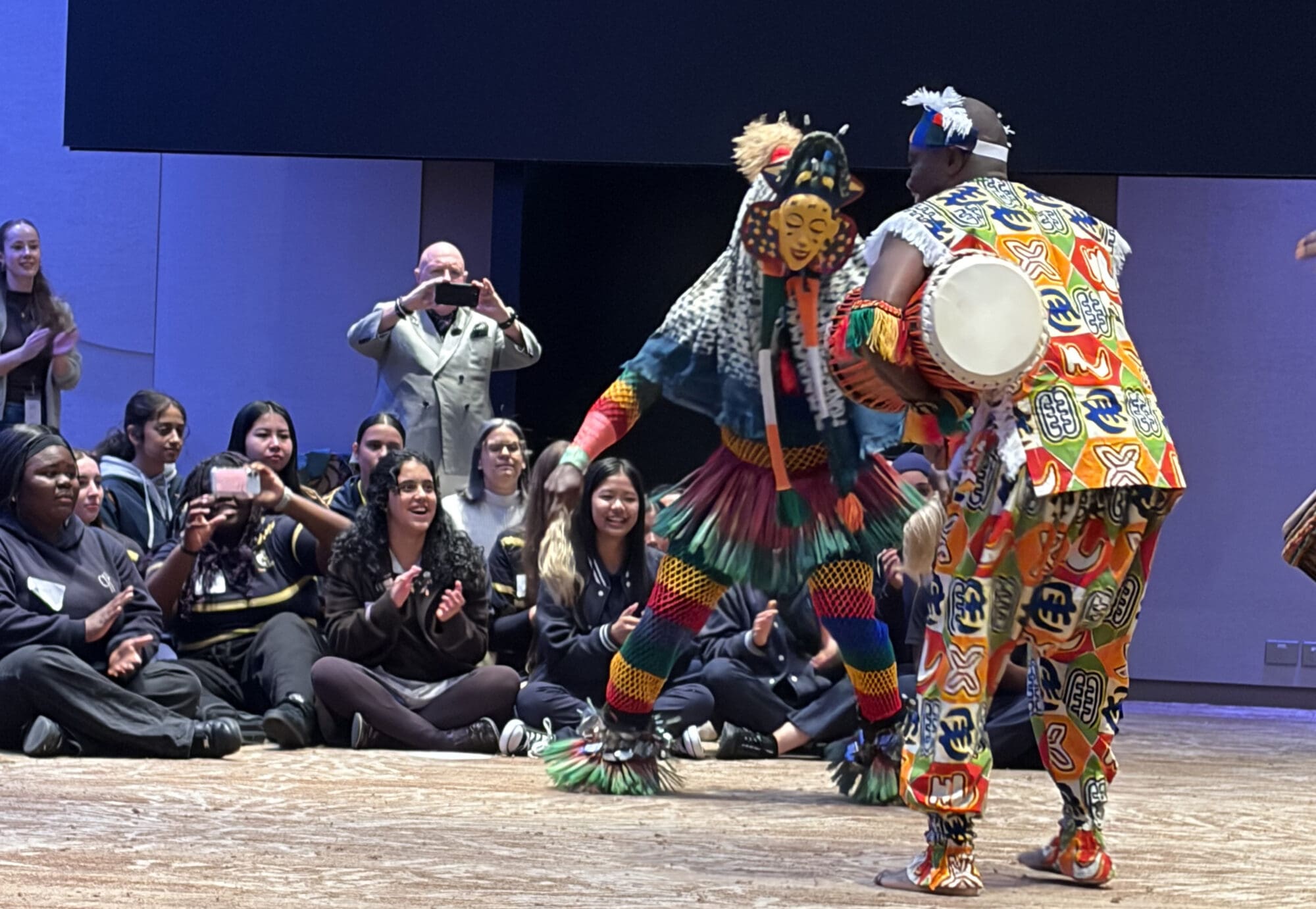
Year 10 student, Sataish, particularly enjoyed a cultural dance performance, recalling the happiness of the audience and the talent of the performers.
She was also interested in hearing how schools had used cultural celebrations to bring students together and introduce them to traditions they might otherwise know little about.
“By listening to stories of different people, you realise how big the world is,” Sataish said. “We learnt things that amaze us and might stick with us for a very long time.”
For Aamina, one of the most thought-provoking presentations introduced ‘PPE: Pause, Protect, Educate’, an approach developed by another school to help students respond to everyday racism.
Aamina was struck by the different perspectives shared throughout the day, particularly the idea that genuine inclusion requires more than simply accepting difference.
Some students spoke about making space for others, while others emphasised the importance of challenging stereotypes and building genuine connections.
The conversations gave our students much to consider, including how they might respond when they witness prejudice in their own communities.
As Sataish put it, “We are all equal. No one deserves to be treated as less. Treat everyone the way you want to be treated.”
One of the most encouraging aspects of the Summit was the enthusiasm with which our students returned to SAC, keen to explore ideas they had encountered throughout the day.
Several were particularly interested in the multicultural celebrations organised by other schools, where students share food, clothing and traditions with their peers.
Senudi suggested that SAC could introduce a multicultural event of its own.
“I feel that since SAC is such a diverse community it would be amazing if we had the chance to celebrate and share who we are,” she said.
Senudi hopes to bring some of these ideas to future Justice and Mercy (JAM) meetings, where students can consider how they might be developed within the College.
Aamina was similarly inspired by the Harmony Day initiatives presented by other schools and hopes to see SAC continue building on its own celebrations.
“The Summit really showed me the impact that one dedicated group of students can have on a school or wider community,” she said.
What impressed Aamina most was that many of the initiatives had begun with students recognising a problem and deciding to do something about it.
“They weren’t obligated to do it but saw an issue in their communities and shared a passion to solve it, even when it didn’t directly impact them.”
It is a sentiment that speaks closely to our Mercy understanding of justice: recognising the experiences of others and accepting that we each have a responsibility to respond.
The Adelaide Peace Walk and Together for Humanity Youth Summit offered different opportunities for our College community to consider what peace asks of us.
The presence of the Peace Walk outside SAC was a reminder of the place our College holds within the wider Adelaide community, and of the values represented by our Peace Pole, which was generously gifted to SAC by the Rotary Club of Adelaide.
At the Summit, our students encountered practical examples of young people addressing prejudice within their schools. They also had the opportunity to contribute their own experiences and ideas to conversations with community leaders.
There is something especially hopeful about students returning from an event like this not only with a greater appreciation of other people’s experiences, but with suggestions for what they might do differently at home.
For SAC’s seven participants, the Summit was an opportunity to see what other young people have achieved and to imagine what might be possible in their context.
Their reflections remind us that our commitment to Mercy is expressed in the way we listen to one another, the assumptions we are willing to question, and the opportunities we create for everyone to feel they belong.
Ms Maddie Kelly
Justice and Mercy Coordinator